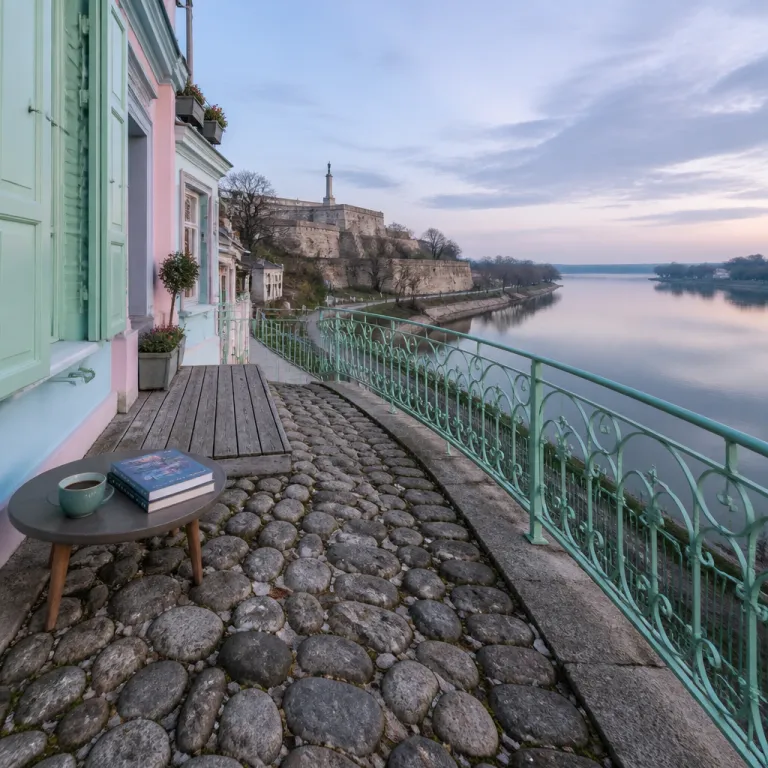
Why belgrade slow travel long stay changes the whole trip
Belgrade rewards patience, not box ticking, and couples who give the city time feel it most. When you frame your Belgrade vacation as a slow, week-long stay rather than a fast weekend trip, the capital city shifts from a checklist of monuments into a place where you start to live a little of everyday Serbia. Two nights show you Kalemegdan and Knez Mihailova, but by the fourth day you begin to understand how people live, where they linger, and why travellers who stay longer quietly return.
Pre‑2020 figures from the Belgrade Tourism Organisation indicated that average hotel stays hovered around two to three nights, which undersells what this city can offer couples who enjoy slow travel and value depth over speed. In the years since, the Belgrade Tourism Board has increasingly promoted extended stays because short visits limit cultural engagement, and local tour operators now design week‑long itineraries that unfold at a human pace, not a bus schedule. That shift aligns perfectly with a slower long‑stay mindset, where each day has one anchor experience and plenty of unscripted time.
There is also a clear economic argument for taking more time in Serbia rather than booking multiple short trips and extra flights. Many luxury and premium hotels in the city and in the historic town of Zemun now advertise discounted multi‑night offers or seven‑night packages that make a full week feel like smart time–money value, not indulgence, especially when you compare it with other European capitals. When you factor in fewer flights to Belgrade and the lower carbon impact per experience, an extended slow stay becomes both a romantic and responsible way to travel.
The economics of a week: time, money and sustainable travel
Belgrade sits in a rare sweet spot where a couple can book a premium room, linger for a week, and still feel they have used their time–money balance wisely. Average daily tourist expenditure in the city remains significantly lower than in Western Europe, which means a leisurely long stay in Serbia often costs less than a rushed three‑day trip to Lisbon or Porto. When you stretch your stay, nightly rates at luxury properties in the centre and in quieter districts often drop, and weekly packages at high‑end addresses such as the historic Bristol building or the St. Regis‑branded hotel reward those who travel slowly.
Choosing one longer trip instead of several short breaks also reduces the number of flights you take, which matters if you care about sustainable travel. A single set of flights to Belgrade for a seven‑night stay generally generates less carbon per day than three separate weekend trips, and it gives you the psychological space to settle into the city rather than sprint through it. The Belgrade Tourism Board’s recent campaigns, framed around encouraging longer visits, lean on this logic while local tour operators respond with themed private tours that unfold over several days.
Public transport in Belgrade has recently been made free for users, according to 2024 municipal announcements, which makes it easier to move between neighbourhoods without relying on taxis or private cars during your vacation. That policy quietly supports slow travel because you can treat each day as a different walking tour, hopping trams between Vračar, Dorćol and Zemun without thinking about tickets or cost. If you want to understand how people live in the capital city, riding those lines at different times of day will tell you more than any single guided tour.
A seven day rhythm for couples: how a belgrade slow travel long stay feels
Think of a week in Belgrade not as a rigid itinerary but as a rhythm, where each day has one focus and plenty of white space. On day one you arrive from your flights, settle into your hotel, and take a gentle walking loop through Stari Grad, perhaps from Republic Square to the riverside around 17:00–19:00, letting the city’s scale and light set the tone for your trip. Day two might be for history, with a slow walk through Kalemegdan in the late morning, a visit to the main Orthodox church in the area, and a late dinner in a traditional kafana where live music starts softly and ends when the waiter decides.
By day three you are ready to cross the river and feel how a different part of the city and its people live, perhaps with a private tour that threads through New Belgrade’s modernist blocks and the Genex Tower at golden hour. Day four suits Dorćol, where a self‑guided walking tour takes you from riverside promenades to quiet streets lined with cafés, galleries and wine bars that reward those who travel slowly and stay curious. A slow long stay in Belgrade means you can return to the same place twice, noticing how the mood shifts between afternoon espresso around 15:00 and late‑night cocktails after 22:00.
Later in the week, use one day for Zemun, which still feels like a separate town with its own tempo, fish market and Danube‑edge restaurants. Another day can be left almost empty, perhaps just a spa session in your hotel, a short private tour of street art, and an evening of live music in a venue where tourists and locals share tables. When you give yourself this kind of time in Serbia’s capital city, you stop trying to skip content in your own experience and instead start to share thoughts with your partner about what it might be like to live here for a season.
Neighbourhoods that open slowly: where to stay and wander
Belgrade is not a single story but a set of overlapping neighbourhoods, each rewarding couples who stay long enough to see it at different hours of the day. Vračar, anchored by the monumental Saint Sava Orthodox church, feels almost ceremonial at sunrise, yet by evening its side streets turn into a relaxed grid of wine bars and bistros where people live their weeknights. A longer, slower stay lets you experience both moods, perhaps with a morning walking tour one day and a late dinner another, instead of rushing through for a single photograph.
Dorćol suits couples who like to travel on foot and enjoy a mix of heritage and contemporary culture, with galleries, concept stores and cafés tucked into residential streets. Booking a luxury hotel near Skadarlija or in the lower Dorćol area places you within easy reach of the river, the old town and the liveliest live music venues, and this is where a curated guide such as an elegant stays in Belgrade collection on top luxury hotels near Skadarlija becomes genuinely useful. Over several days you can alternate between classic kafana dinners with traditional tours of Serbian cuisine and quieter evenings in wine bars where locals and visitors share thoughts about the city’s future.
Further out, Zemun offers a different scale, more like a riverside town than a district of a capital city, and it rewards early risers who travel for atmosphere as much as for sights. A week‑long visit gives you the freedom to spend an entire day here, from the fish market at dawn to Gardoš Tower at sunset, without watching the clock or your flights home. When you return to your hotel after such a day, you will feel less like a visitor passing through Serbia and more like someone who has briefly learned how people live along the Danube.
Belgrade as a sustainable slow travel alternative to other European cities
Couples who already love Lisbon, Porto or Tbilisi for their slower pace often find that Belgrade offers a similar depth with fewer crowds and lower costs. The city’s position within Serbia, combined with its relatively modest hotel prices and generous weekly packages, makes an unhurried long stay financially realistic even in luxury properties. When you compare the cost of one week here with two or three short breaks elsewhere, the balance of time, money and emotional return often favours the Serbian capital.
Slow travel also changes how you interact with the city’s culture, from its Orthodox church rituals to its late‑night live music traditions. Instead of racing through a checklist of tours, you can choose one private tour of the historic centre, another focused walking tour in New Belgrade, and perhaps a final day with a guide in Zemun, leaving space between them to process what you have seen. That breathing room is where the city’s character settles in, and where you start to understand why travellers who stay longer often talk about how they might live here one day.
Local authorities and the Belgrade Tourism Board are leaning into this shift, working with hotels, restaurants and cultural institutions to promote longer stays and themed week‑long itineraries. They answer common questions directly, stating for example: “What is slow travel?” and “Why stay a week in Belgrade?” and “Is public transport free in Belgrade?”. As you plan your own trip and look at flights to Belgrade, remember that one longer vacation with fewer take‑offs is kinder to the planet than several short hops, and that a week in this city will give you stories you simply cannot compress into a weekend.
FAQ
Is Belgrade a good destination for slow travel couples?
Belgrade is exceptionally well suited to couples who value slow travel and want to feel how people live in a city rather than just visit its main sights. Compact neighbourhoods, free public transport and a strong café culture make it easy to design each day around one or two highlights and plenty of unstructured time. A relaxed long stay in Belgrade lets you balance private tours, self‑guided walking routes and quiet evenings with live music in a way that feels both romantic and unhurried.
Why should I stay a full week instead of a weekend?
A weekend in Belgrade covers the fortress, the main Orthodox church and perhaps one evening in Skadarlija, but it rarely goes deeper. By staying a week you can explore Vračar, Dorćol and Zemun at different times of day, take a dedicated walking tour in each area, and still have time to rest by the river or in your hotel spa. That longer duration also makes your flights to Belgrade more worthwhile, since you spread the environmental and financial cost of travel over more days and richer experiences.
How does Belgrade compare with other European slow travel cities?
Compared with Lisbon, Porto or Tbilisi, Belgrade offers a similar blend of history, food and nightlife but at generally lower prices, which benefits couples planning a longer vacation. The city’s cost structure in Serbia means luxury and premium hotels can offer attractive weekly rates, making an extended slow stay accessible to more travellers. You also encounter fewer mass tourism pressures, so you rarely feel the need to skip content in your plans just to avoid crowds.
Are there enough activities for a seven day stay?
There is more than enough to fill a week without rushing, especially if you mix guided and unguided days. You can schedule private tours of the historic centre, architecture‑focused tours in New Belgrade, and a food‑oriented walking tour in Zemun, then use other days for museums, riverfront walks and evenings with live music. Many visitors find that by day six or seven they are still adding new cafés, galleries and restaurants to their list, which is exactly what a longer stay in Belgrade is meant to encourage.
Is public transport really free, and how does that affect my stay?
Public transport in Belgrade is currently free, based on 2024 city policy, which significantly simplifies movement across the city during your trip. You can ride trams and buses between the old town, Vračar, Dorćol and Zemun without thinking about tickets, which supports a slower style of travel where you follow your curiosity rather than a rigid schedule. For couples on an extended visit, this makes it easier to explore multiple areas in one day and to return to favourite spots whenever the mood strikes.