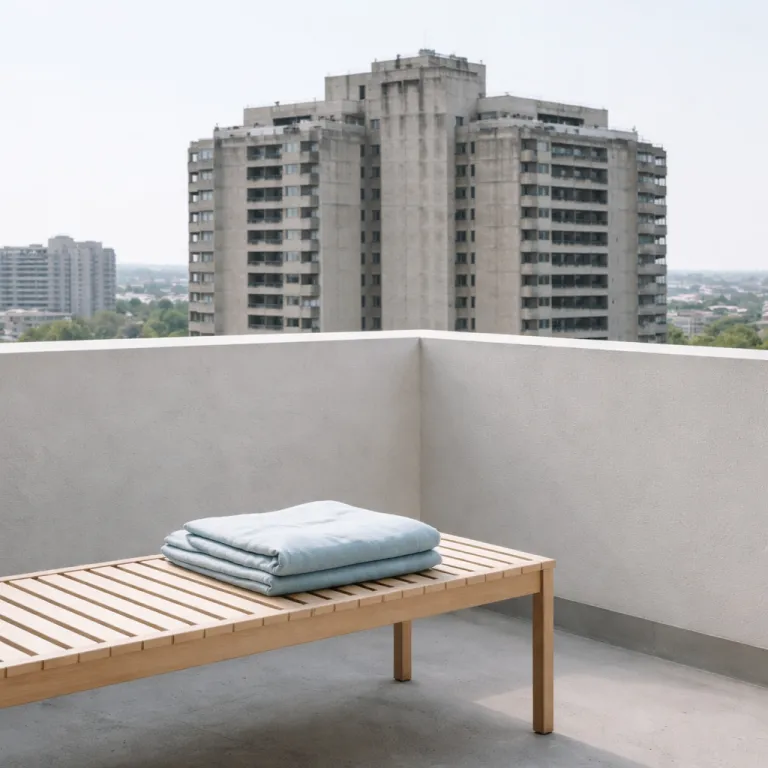
Brutalist Belgrade: Why the city belongs on every design lover’s map
Why brutalist Belgrade belongs on every design lover’s map
Belgrade is not a pretty postcard city, and that is its strength. The Serbian capital opens window after window onto a raw urban story where each concrete tower and socialist block tells you exactly who built it and why. For travelers used to polished old towns, a focused Belgrade brutalism tour feels like stepping backstage into the machinery of Yugoslavia.
Across New Belgrade you move between monumental buildings and wide avenues that were carefully designed as a modernist counterpoint to the old centre across the Sava. These planned blocks and towers were conceived as a new western city for a socialist society, and the result is a landscape where brutalist architecture sits beside softer late modernist forms in a surprisingly coherent grid. When you book a hotel here, you are not just choosing a place to sleep; you are choosing which building and which block will frame your first view of the city.
For luxury travelers, the appeal lies in contrast and context rather than nostalgia. A Belgrade architecture tour with a brutalist focus in the morning followed by cocktails in a riverside lobby bar at sunset creates a dialogue between concrete and glass, between the legacy of buildings socialist planners left and the new skyline rising beside them. The best properties understand that brutalist Belgrade is now an asset, and they curate private tour options or in-room guides that lead you from your hotel door straight into the most striking concrete landmarks.
Genex Tower, Sava Center and the western city skyline

The Genex Tower, also known as the Western City Gate, is the icon that anchors almost every Belgrade brutalist itinerary. This twin-tower structure, linked by a sky bridge and crowned by a circular restaurant, was designed as a literal welcome sign for drivers arriving from western Serbia. From a distance the towers read as pure sculpture; up close the rough concrete, weathered details and vertiginous voids make it one of the most photogenic brutalist buildings in Europe.
Many guided routes pair Genex Tower with the nearby Sava Center, a sprawling congress and cultural complex that once hosted Yugoslavia’s major international events. Its low-slung late modernist style contrasts with the verticality of the tower, and the interplay between glass, steel and concrete rewards slow, careful photography from multiple angles. Stand on the pedestrian bridges at blue hour and the buildings, the blocks beyond and the traffic streams below combine into a cinematic frame that feels far from the tourist clichés of the city centre.
From a hotel perspective, staying on the New Belgrade side places you within minutes of these landmarks. Some premium properties arrange a private tour where your guide meets you in the lobby, then leads you through the surrounding blocks and towers to explain how this part of Belgrade was designed as a showcase for Yugoslavia. If your hotel concierge understands brutalist architecture, they will know exactly when the light hits the Western City Gate façade, which side opens window reflections on the concrete, and where to stand for the most striking shot of the western city skyline.
New Belgrade blocks, Rudo buildings and the Avala axis
Move away from the main highway and the rhythm of New Belgrade changes. Here the architecture tour shifts from headline icons to the everyday blocks, where buildings socialist planners arranged in generous green spaces now host cafés, galleries and quietly confident design hotels. Walking these residential blocks on a Belgrade brutalism walk gives you a sense of scale that no single tower can match.
Guides often contrast New Belgrade with the Rudo buildings on the other side of the Sava, a cluster of three residential towers whose jagged silhouettes earned them the nickname “Toblerone buildings” among locals. These brutalist structures rise above older streets, and the way their concrete forms cut into the sky shows how Serbian architects pushed the limits of the style within Yugoslavia’s system. From certain angles, especially in late afternoon, each tower opens window patterns that feel almost like contemporary art installations against the clouds.
Further out, the Avala Tower stands on its namesake hill as a slender counterpoint to the heavy masses of the city. Many travelers pair a visit to Avala Tower with time at Palace Serbia and other government buildings to understand how power projected itself through architecture across Serbia. If your hotel can arrange a car and a knowledgeable guide, this extended Belgrade route will trace a clear axis from the Museum of Contemporary Art on the Sava confluence to the telecommunications spire above, turning a simple day trip into a layered architecture tour.
Museum of Contemporary Art, Palace Serbia and Hotel Yugoslavia

On the riverbank opposite Kalemegdan, the Museum of Contemporary Art anchors one of the most graceful brutalist Belgrade ensembles. Its crystalline volumes and elevated galleries were designed to float above the park, and the way the museum’s structure handles light makes it a favourite stop on any serious Belgrade architecture tour with a brutalist theme. From nearby hotels you can walk along the Sava, watching how the building’s concrete and glass shift character with each step.
A short ride away, Palace Serbia stretches across an enormous plot, its wings forming a monumental backdrop to the New Belgrade grid. This government complex is a textbook example of how brutalist architecture and late modernist detailing merged in Yugoslavia, and many guides use it to explain the political ambitions behind these buildings socialist planners commissioned. Stand in the main forecourt and you feel the intended effect immediately; the scale, the repetition, the way every block and every façade line directs your gaze toward the centre.
Hotel Yugoslavia, once the flagship property for state guests, sits between these landmarks with an uncertain future that design travelers should treat as urgent. Its riverside position, layered interiors and long façade of concrete and glass tell a complete story of socialist luxury in Serbia, and several tours now include it as a key stop before potential redevelopment erases that narrative. When choosing where to stay, ask your hotel concierge whether their recommended architecture tour or private tour includes Hotel Yugoslavia, Palace Serbia and the Museum of Contemporary Art in one coherent route, because that combination reveals how Belgrade negotiated power, culture and hospitality.
How to book the right brutalist architecture tour from your hotel
The guided architecture tour market in Belgrade has matured, which is good news for hotel guests. Local operators now run structured routes that cover a curated selection of key brutalist buildings across the city. They use professional guides, historical narratives and architectural insights, and many tours typically last 2.5 to 4 hours, available year round upon request.
When you ask your concierge to arrange a Belgrade architecture tour with a brutalist focus, be specific about your interests and your tolerance for walking between blocks and towers. A private tour works best if you want hotel pickup, tailored photography stops at Genex Tower, the Western City Gate, the Rudo buildings and the Avala Tower, plus time for coffee in a local kafana between sites. Group tours suit solo travelers who enjoy conversation, while some operators now incorporate multimedia presentations that show archival images of buildings socialist planners once promoted as the future of Yugoslavia.
Practicalities matter more than most visitors expect. Wear comfortable shoes, check weather forecasts and book in advance, because the best brutalist Belgrade guides limit group sizes so every participant can ask detailed questions about each building and block. If you are traveling with children, remember that tours are generally suitable but may not engage younger kids for the full duration, and always confirm with your hotel whether the tour will operate in bad weather or if rescheduling is possible.
Design forward hotels for architecture lovers in Belgrade
For a design minded traveler, the right hotel turns a Belgrade brutalism-themed day into a seamless narrative. Several luxury and premium properties on both sides of the Sava now reference brutalist style in subtle ways, from exposed concrete columns in lobbies to custom lighting that echoes the geometry of nearby towers. You wake up with the skyline framed by your window, step out into the city and within minutes you are standing beneath the same building that inspired the interior designer.
On the New Belgrade side, riverside hotels place you close to Genex Tower, Sava Center, Palace Serbia and Hotel Yugoslavia, making it easy to combine meetings with quick walks through the surrounding blocks. Many of these properties work directly with specialist guides to offer a private tour that starts in the lobby, moves through the western city grid and ends at a rooftop bar where the guide points out each tower and block you visited. Across the river, characterful addresses in Dorćol and Savamala give faster access to the Museum of Contemporary Art, the Rudo buildings and the older streets that show how brutalist buildings sit beside pre-war architecture.
When comparing options on a booking website, look for hotels that provide detailed neighbourhood guides rather than generic city blurbs. The best concierges know the difference between a quick photo stop at the Western City Gate and a full architecture tour that reveals Belgrade’s layered history. Ask whether the tour partners they recommend can adapt routes for serious photography, whether they can arrange golden hour access to key buildings, and whether your tour will include both headline towers and quieter residential blocks where everyday life unfolds around the concrete.
FAQ
What is brutalist architecture in the context of Belgrade?
Brutalist architecture in Belgrade refers to mid and late twentieth century buildings that use raw concrete, bold geometry and exposed structural elements to express function and ideology. This style, characterized by rough surfaces and sculptural forms, is especially visible in New Belgrade, where towers, blocks and cultural complexes like Genex Tower, Sava Center and Palace Serbia form a coherent urban ensemble. On a Belgrade architecture tour with a brutalist emphasis, guides explain how these buildings reflected Yugoslavia’s political ambitions and how contemporary Serbian architects and critics now reassess their value.
Are the brutalist architecture tours suitable for children?
Families can certainly join a Belgrade brutalism tour, but the content skews toward history, design and urban planning. Operators note that tours are suitable for children but may not fully engage younger ones, so older children and teenagers with an interest in architecture or photography tend to benefit most. If you are traveling with younger kids, ask your hotel to arrange a shorter private tour with more frequent breaks in parks and cafés around the blocks and towers.
Do brutalist architecture tours operate in bad weather?
Most operators in Belgrade run their architecture tour schedules year round, including on rainy or cold days. Tours generally operate in bad weather, but you should check with operators for specifics, because some routes may be adjusted to reduce time spent in exposed plazas around tall towers. When booking through your hotel, confirm the cancellation policy and whether the tour will switch to more interior focused stops such as the Museum of Contemporary Art or lobby views of key brutalist buildings if conditions worsen.
How long does a typical brutalist architecture tour in Belgrade last?
Guided routes dedicated to brutalist Belgrade usually last between 2.5 and 4 hours, depending on whether you choose a walking format or a private tour with transport between distant blocks. Shorter itineraries focus on the western city icons like Genex Tower, Western City Gate and Sava Center, while longer ones extend to the Rudo buildings, Palace Serbia and sometimes Avala Tower. Luxury hotels can often customize the duration so your tour will fit between check in, spa appointments and evening reservations.
How many notable brutalist buildings are there in Belgrade?
Local archives and expert surveys indicate that roughly two dozen significant brutalist or brutalist-influenced buildings stand within Belgrade, concentrated mainly in New Belgrade but also scattered across older districts. A well planned Belgrade architecture tour with a brutalist theme will not attempt to cover all of them; instead, it will curate a mix of headline towers, residential blocks and cultural buildings that illustrate the breadth of Yugoslavia’s approach. When booking through a premium hotel, ask which specific buildings socialist planners created are included, so you can prioritise the ones that matter most to your interests.