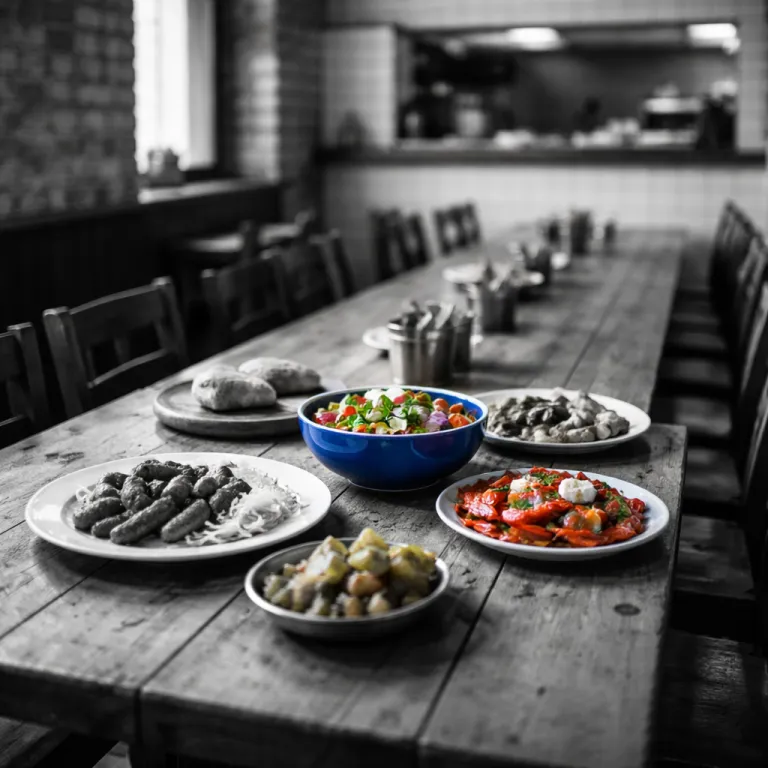
Belgrade kafana restaurants as the key to understanding the city
Belgrade kafana restaurants are where the city finally makes sense. In a single kafana you feel how Beograd negotiates past and present, from smoky corners and checkered tablecloths to polished brass, clinking glasses, and carefully chosen playlists. For a traveler choosing a luxury hotel, this is the one type of restaurant that turns a stay into a real experience rather than just another night out.
A kafana in Serbia is more than a simple Serbian restaurant; it is a social club, a living room, and a stage for live music where strangers share meze and stories. Traditional kafanas in Belgrade grew from Ottoman era coffee houses into full dining rooms serving rich food, strong drinks, and unhurried service that stretches late into the night. Many locals will tell you that if you have not spent an evening in a kafana, you have not really visited the city, because this is where everyday life, gossip, and celebrations all converge.
What separates a kafana from a standard restaurant is the rhythm of the evening, not just the menu. Tables are often pushed together, plates of traditional dishes circulate, and the atmosphere shifts as the band moves from quiet ballads to louder songs and guests start to sing. For visitors staying in the city center, these kafanas in Belgrade offer the most direct route into authentic Serbian hospitality and national cuisine without leaving the urban core or relying on staged folklore shows.
What defines a kafana: atmosphere, music and the slow dining experience
Think of a kafana as a theatre where the script is written by the guests. The atmosphere starts gently, with a shot of rakija, a basket of warm bread, and small plates of traditional Serbian salads and spreads that smell of roasted peppers and garlic. Over several hours the dining experience expands into something closer to a house party than a formal restaurant meal, with laughter rising and chairs slowly turning toward the musicians.
Live music is the defining feature that separates many Belgrade kafana restaurants from other venues in the city. A duo with accordion and guitar might wander between tables, or a larger band may anchor one corner of the place, taking requests and reading the room. When the live music hits the right tempo and the whole room joins the chorus of a familiar song, you will see how authentic Serbian emotion, nostalgia, and joy surface in a way that no tasting menu can match.
Service in a good kafana is intentionally unhurried, which can surprise guests used to fast restaurant turnover. Staff expect you to linger, order more food in waves, and treat the table as your base for the entire evening. For people staying in luxury hotels, this slow pace creates a safe, convivial environment where you can join the atmosphere without feeling rushed or watched, and where traditional dishes from Serbian cuisine arrive steadily as the night unfolds and the band adjusts to the mood of the crowd.
Skadarlija classics: mali vrabac, dva jelena and znak pitanja
Skadarlija is the postcard version of kafanas Belgrade, a cobbled street where lanterns glow and terraces spill onto the pavement. The area can feel theatrical, yet several addresses still deliver good food, serious music, and a genuinely rich atmosphere. Choosing carefully here matters, especially if you want your first dining experience to feel more authentic than touristic and still stay within walking distance of central hotels.
Mali Vrabac sits near the heart of Skadarlija, typically open from late morning until after midnight, and balances traditional Serbian cooking with a slightly polished setting that suits guests from nearby premium hotels. Expect grilled meats, stews, and other traditional dishes from local cuisine, with mains often in the mid-range price bracket, served with efficient but relaxed service and regular live music that keeps the mood warm rather than overwhelming. Booking a table for weekend evenings is advisable, and many diners aim for a later start, around 20:00 to 21:00, to catch the liveliest part of the night.
Just along the same stretch, Dva Jelena and Velika Skadarlija lean into the full Skadarlija theatre, with larger bands, louder songs, and a more crowded city center terrace scene. If you want a slightly quieter but deeply historic option, head to Znak Pitanja, often written as the Question Mark, one of the oldest kafanas in the city and a place where national cuisine feels anchored in centuries of habit. Between these three Serbian restaurant institutions, all clustered around the old town, you can sample a spectrum of traditional Serbian cooking, from grilled meats to slow cooked beans, while watching how Belgrade still uses the kafana as its preferred social stage.
Beyond Skadarlija: kafana SFRJ, stara hercegovina and the modern movement
Once you have seen Skadarlija, the real fun begins in other parts of Beograd. The modern kafana movement is unfolding in Dorćol, Vračar, and Savamala, where chefs and owners reinterpret Serbian cuisine for a new generation. Here the atmosphere often feels less theatrical and more like a neighborhood living room with better wine lists, sharper cooking, and regulars who greet the staff by name.
Kafana SFRJ plays with Yugoslav nostalgia in both its name and décor, yet the food is firmly rooted in traditional Serbian recipes and local cuisine. Plates of grilled meats, seasonal salads, and hearty stews arrive in generous portions, while the live music leans into classics that older guests know by heart. For visitors, this place offers an easy way to experience authentic Serbian social rituals without feeling trapped in a tourist zone, and reservations are recommended for Friday and Saturday nights, when tables can be booked out days in advance.
Stara Hercegovina and Pod Lozom are two more addresses where the line between restaurant and kafana blurs in the best possible way. Both serve rich, meat forward menus that showcase national cuisine from Serbia and the wider region, with attentive service and a loyal local crowd that fills the room most evenings. These kafanas in Belgrade prove that you can have good food, serious wine, and a relaxed dining experience that still respects the unwritten rules of the kafana tradition, from toasting with rakija to lingering over coffee long after dessert.
New Balkan Cuisine and Bela Reka: when farm-to-table meets kafana culture
The most interesting shift in Belgrade kafana restaurants is happening where contemporary chefs embrace tradition rather than reject it. Figures like chef Vanja Puškar, often cited as a pioneer of the New Balkan Cuisine movement in regional media, work closely with local farmers and producers to reinterpret familiar flavors. Their goal is not to break with Serbian cuisine, but to show how national cuisine can evolve while staying recognizably local and rooted in seasonal ingredients.
At Dragoljub, frequently described as a modern kafana, the menu reads like a love letter to traditional dishes filtered through a contemporary lens. You might see slow cooked meats paired with seasonal vegetables from nearby farms, or classic spreads presented with more refined plating while keeping the same comforting taste and generous portions. Restaurants like Dragoljub and Šumatovac exemplify this trend, and they sit comfortably between a classic Serbian restaurant and a design forward dining room that appeals to guests from luxury hotels who are used to chef driven concepts.
Bela Reka, listed in the MICHELIN Guide Belgrade selection with a Bib Gourmand distinction at the time of writing, pushes this idea further with a farm to fork model tied to its own agricultural estate. Here the dining experience feels less like a rowdy kafana and more like a countryside inn transported into the city, yet the spirit of sharing, generosity, and authentic Serbian hospitality remains. For travelers who care about sustainability and traceability, Bela Reka sets a useful benchmark for how kafanas in Belgrade can serve good food that is both rich in flavor and responsible in sourcing, with prices that remain moderate compared with fine dining.
Pairing luxury hotels with kafanas: where to eat near where you sleep
Choosing the right hotel in Belgrade is easier when you map it against nearby kafanas. Many of the city’s top luxury and premium properties cluster around the city center, which conveniently places you within walking distance of several key Serbian restaurant addresses. This proximity matters for guests who want to enjoy live music and rakija without worrying about late night transport or navigating unfamiliar streets after midnight.
Stay near Republic Square or Knez Mihailova and you are a short walk from Skadarlija, with Mali Vrabac, Dva Jelena, and Velika Skadarlija all offering different takes on traditional Serbian dining. From these hotels you can also reach Znak Pitanja in under fifteen minutes on foot, making it easy to compare the atmosphere of a historic kafana with the more theatrical Skadarlija strip. Guests interested in architecture can combine an early evening kafana visit with one of the brutalist Belgrade architecture walks that design minded travelers increasingly book to understand the city’s layers and postwar history.
Those staying in riverside or Savamala hotels will find it easier to reach places like Kafana SFRJ or Stara Hercegovina, where the crowd skews more local and the music often feels less curated for visitors. In Dorćol and Vračar, smaller premium hotels sit close to Pod Lozom and several modern kafanas that emphasize local cuisine and seasonal menus. Wherever you stay, ask the concierge which kafanas in Belgrade their own staff frequent, then call ahead or use the restaurant’s online booking form to reserve a table for 20:00–21:00, because that is usually when the atmosphere and live music are at their best.
How to order, what to drink and why rakija matters
Walking into a kafana for the first time can feel intimidating, especially alone. The key is to treat the evening as a sequence of small decisions rather than a single big order. Start with drinks and a few meze plates, then build your way toward the heavier parts of Serbian cuisine as the music and conversation warm up and you get a sense of the room.
Rakija is the default welcome drink in most Belgrade kafana restaurants, and it is worth approaching with curiosity rather than fear. Ask for a plum or quince rakija to begin, then explore more aromatic varieties once you understand your own tolerance and preferences. Staff in a good kafana will guide you through the options, and their service often includes informal lessons about which rakija pairs best with which traditional dishes from the menu, from grilled meats to slow cooked beans and hearty stews.
For food, think in layers that reflect the structure of national cuisine in Serbia. Begin with salads, kajmak, and cured meats, then move to grilled meats, stews, or baked beans that showcase authentic Serbian flavors in their richest form. If you are unsure, simply tell the waiter that you want a traditional Serbian dining experience with good food and live music, and let them curate a progression that matches the atmosphere of the place and the pace of your evening, topping up rakija or wine as the band moves through its set.
Key figures behind Belgrade’s kafana revival
- Belgrade is widely regarded as one of the densest kafana hubs in Serbia, with numerous traditional taverns and modern interpretations spread across the city and its central neighborhoods.
- Typical meal costs in many modern kafanas fall into a mid range bracket, allowing for quality ingredients while remaining accessible to both locals and visitors who want a full evening with drinks and live music.
- The New Balkan Cuisine movement gained momentum in the early twenty first century, with chefs such as Vanja Puškar using local and seasonal ingredients to reinterpret traditional Serbian recipes for contemporary diners.
- Skadarlija remains the most concentrated kafana district in the city center, while Dorćol and Savamala now host a growing number of contemporary kafanas with more experimental cuisine and updated interiors.
- Belgrade’s presence in the MICHELIN Guide, with dozens of listed establishments including Bib Gourmand addresses, signals a broader recognition of the city’s national cuisine and its evolving restaurant scene.
FAQ about Belgrade kafana restaurants and modern Serbian cuisine
What is a kafana and how is it different from a restaurant ?
What is a kafana? A traditional Serbian tavern offering food, drinks, and music. In practice, that means a kafana focuses on shared plates, live music, and a relaxed atmosphere where guests are encouraged to linger for hours. A standard restaurant in Belgrade may offer Serbian cuisine as well, but it usually follows a more conventional service rhythm with individual courses, quicker turnover, and less emphasis on musicians moving between tables.
Who is leading the New Balkan Cuisine movement in Belgrade ?
Who is leading the 'New Balkan Cuisine' movement? Chef Vanja Puškar is a prominent figure in this movement, frequently mentioned in regional food media. His work, along with that of peers at places like Dragoljub, shows how traditional Serbian dishes can be reimagined with modern techniques and seasonal ingredients. For travelers, these restaurants offer a bridge between classic kafana flavors and contemporary dining expectations.
Which kafanas blend tradition with modern cuisine ?
Which kafanas blend tradition with modern cuisine? Restaurants like Dragoljub and Šumatovac exemplify this trend. Both venues respect the social rituals of the kafana while updating the menu with lighter plates, better wine lists, and more careful sourcing. They are ideal for guests from luxury hotels who want an authentic experience without sacrificing culinary refinement or the comfort of a well designed dining room.
Is Skadarlija still worth visiting for an authentic experience ?
Skadarlija remains a key part of the kafanas Belgrade story, especially for first time visitors. While some venues cater heavily to tourists, places such as Mali Vrabac, Dva Jelena, and Velika Skadarlija still offer solid traditional Serbian food and lively music in a historic setting. To balance the experience, many locals suggest pairing a Skadarlija evening with a night in Dorćol or Savamala, where the crowd and cuisine feel more local and the prices and playlists are aimed primarily at residents.
How much should I budget for a night in a kafana ?
For a full evening in a typical Belgrade kafana, including rakija, several shared starters, a main course, and perhaps a dessert, expect to spend a moderate amount by European capital standards. Prices vary between classic Skadarlija spots, modern Serbian restaurant concepts, and more neighborhood focused kafanas, with live music sometimes adding a small cover charge. Compared with other major cities, this makes Belgrade a relatively affordable place for a rich dining experience with live music, generous portions, and a long, unhurried night at the table.