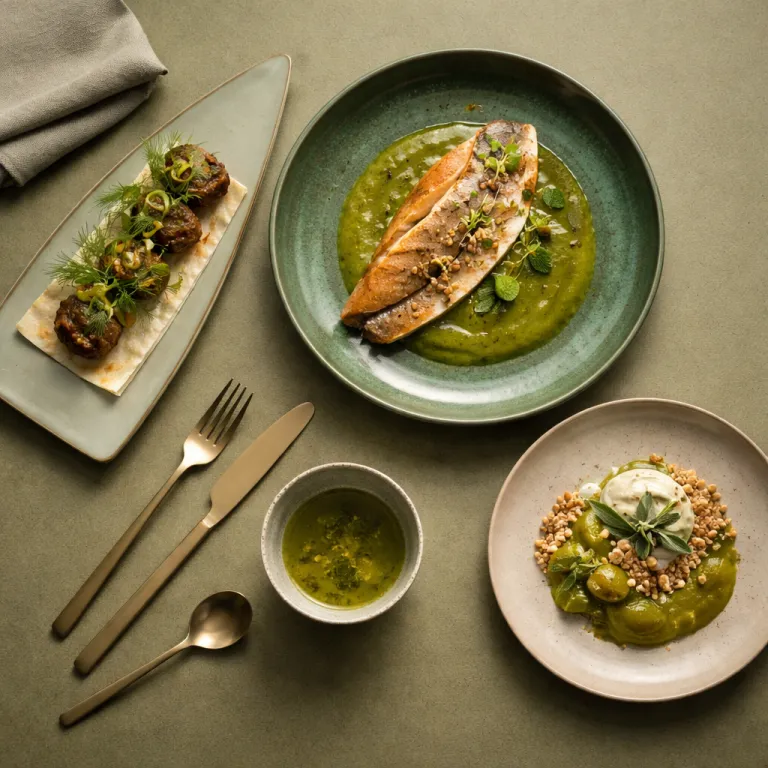
What New Balkan cuisine means when you land in Belgrade
Belgrade, the Serbian capital, has become one of the sharpest stages for contemporary Balkan cuisine. In this city, restaurants exploring New Balkan cooking treat tradition as a starting point, not a script to follow. Here, chefs turn classic Balkan food into a language that speaks to both curious families and serious gastronomes.
New Balkan cuisine in Belgrade means taking familiar regional recipes, then rebuilding each dish with local ingredients and modern technique. It respects the way meat was grilled in village yards and the way plum brandy was poured at family tables, yet it edits, clarifies and lightens the food for contemporary travelers. You still taste the Serbian and wider Balkan soul in every serious dining room, but the plates feel precise, seasonal and quietly elegant.
For hotel guests, this culinary movement matters because it changes how you plan evenings in Belgrade, Serbia. Instead of defaulting to generic grill houses, you can book a restaurant where a chef talks you through wine pairing with Prokupac or Tamjanika at the table. Families find vegetarian options beside slow cooked meat dishes, so everyone eats well without compromise.
The restaurants leading Belgrade’s New Balkan movement
Two addresses anchor any serious tour of New Balkan restaurants in Belgrade today. Iva New Balkan Cuisine, on Kneginje Ljubice 11 in the city center, works like a calm urban dining room where modern dishes still feel deeply local. Dragoljub New Balkan Cuisine, near Atelje 212 on Hilandarska Street, channels the noise and warmth of a traditional kafana while serving food that is far more precise than the wooden tables suggest.
At Iva, the kitchen leans into Balkan heritage with tasting menus that move from delicate vegetable dishes to confident meat plates, often featuring slow cooked beef, river fish or stuffed peppers built on ingredients from farmers around the capital. Dragoljub keeps the spirit of old kafana cooking, but the culinary execution is modern, with lighter sauces, cleaner broths and careful wine pairing that highlights Serbian wine rather than hiding it. Both restaurants show how a single dish can carry history, technique and a sense of place in Belgrade, Serbia.
The movement now includes restaurants recommended by the Michelin Guide, a milestone that confirmed Belgrade’s dining scene as a serious destination for European travelers. When the first selection for Belgrade was announced in 2023, inspectors highlighted places such as Enso, Homa and JaM for their creative use of local produce and contemporary Balkan recipes. As one Serbian food writer noted in Vino & Fino, the guide “pushed every ambitious kitchen in the city to think harder about identity, not just presentation.” When you combine these leaders with younger projects like Vid New Balkan Cuisine by chef Vanja Puškar, you understand why national media now call Belgrade the capital of New Balkan cuisine.
Inside the plates: ingredients, wine and family friendly menus
Look closely at the plates in Belgrade’s New Balkan restaurants and you see a quiet revolution. Chefs treat local ingredients from central Serbia and the wider Balkan region as luxury products, not budget staples. A simple table salad becomes a study in tomatoes from Šumadija, young cheese from village producers and cold pressed oils from Vojvodina, often priced more like a composed starter than a side dish.
Meat still plays a central role in many a Balkan dish, but the cooking is lighter, with slow braises, grilled cuts and broths that respect the product instead of drowning it. Families who prefer vegetarian options are no longer an afterthought, because most serious restaurants now build full vegetable dishes around mushrooms, grains and seasonal greens. In both single plates and shared platters, the balance between comfort food and refined cuisine feels carefully judged, with menus that usually sit in the mid to upper price range for Belgrade.
Wine is where Belgrade, Serbia quietly surprises even seasoned travelers. Serious restaurants now offer pairing flights that highlight indigenous grapes like Prokupac for reds and Tamjanika for aromatic whites, often poured by staff who know the vineyards personally. For a final local touch, many menus close with plum brandy served in small glasses, a ritual that turns a good meal into a complete culinary story and underlines how closely food and drink are linked in Serbia’s Balkan culture.
How hotel concierges can guide – and misguide – your reservations
In the better luxury properties of the Serbian capital, concierges now speak fluently about New Balkan cuisine. They know which restaurants handle children gracefully, which tables are quieter and which chefs enjoy talking about their recipes at the table. This is invaluable when you are choosing between several options after a long travel day.
Yet concierges still tend to steer cautious guests toward safe international food or hotel based dining, especially on busy Wednesday–Thursday or Thursday–Friday evenings. That can mean missing the most interesting modern Balkan kitchens, where a chef like Vanja Puškar might be reworking a classic dish with foraged herbs and unexpected textures. Ask specifically for a restaurant that focuses on local ingredients, Serbian wine pairing and contemporary interpretations of Balkan cuisine, not just a place that is “popular with tourists”.
Some design forward hotels, such as Mama Shelter in Belgrade, Serbia, have their own restaurants that flirt with regional flavors while keeping an international crowd happy. These can be useful for a first night, especially with children, but they should not replace a dedicated New Balkan restaurant later in your stay. For a broader sense of how Belgrade’s hotels now curate experiences, including spa and wellness itineraries that pair well with serious dining, explore the in depth guide to the city’s best hotel spas and how to book treatments intelligently between big meals.
A perfect New Balkan evening from aperitivo to late night kafana
Plan one full evening around contemporary Balkan dining in Belgrade and you will understand the city differently. Start with an early aperitivo in Dorćol or Savamala, perhaps a glass of Serbian wine or a measured pour of plum brandy with a small plate of cured meat. This sets the rhythm for a night that moves from refined cuisine to the looser energy of a kafana without ever feeling rushed.
Book your main restaurant for Wednesday–Thursday or Thursday–Friday, when the dining rooms of Belgrade, Serbia feel lively but not overwhelmed by weekend crowds. Sit down at a table where the chef has built a tasting menu that moves through vegetable dishes, fish courses and meat plates, each one rooted in Balkan tradition yet presented with modern clarity. Ask for a wine pairing that includes both white and red, so you can taste how Prokupac handles grilled meat while Tamjanika lifts lighter food and vegetarian options.
After dinner, walk or take a short taxi ride to a traditional kafana, where the cooking is simpler but the atmosphere completes the picture of everyday Balkan life. Order one last small dish to share, maybe beans or grilled peppers, and watch how locals stretch the night with music and conversation. This is where the philosophy of New Balkan cuisine meets the reality of how people in the Serbian capital still eat, drink and stay at the table long after the plates are cleared.
FAQ
What is New Balkan cuisine in Belgrade?
New Balkan cuisine in Belgrade, Serbia is a modern interpretation of traditional Balkan dishes using contemporary techniques and local ingredients. It keeps the flavors of classic home style food but refines the textures, portions and presentation for today’s travelers. As one local definition puts it, “What is New Balkan Cuisine?” – “A modern interpretation of traditional Balkan dishes using contemporary techniques.”
Which New Balkan restaurants are essential for first time visitors?
First time visitors interested in Belgrade’s New Balkan restaurants should prioritize Iva New Balkan Cuisine and Dragoljub New Balkan Cuisine. Iva focuses on modern plates built around seasonal local ingredients, while Dragoljub offers a contemporary take on kafana style food in a more casual setting. Both restaurants give a clear sense of how Balkan cuisine is evolving in the Serbian capital.
Do New Balkan restaurants offer vegetarian options for families?
Most serious New Balkan restaurants in Belgrade, Serbia now include thoughtful vegetarian options alongside meat dishes. Menus often feature vegetable based plates built around mushrooms, grains and seasonal produce, not just token salads. Families can usually request adaptations of certain dishes, especially when they book in advance and mention dietary needs.
How far in advance should I reserve in Belgrade’s top restaurants?
For the most popular New Balkan restaurants in Belgrade, reservations are recommended several days ahead, especially for Wednesday–Thursday and Thursday–Friday evenings. Larger families or groups should book at least a week in advance to secure a suitable table. Last minute walk ins are sometimes possible, but they rarely work for peak hours in Michelin recognized or highly rated venues.
Can hotel concierges arrange wine focused dining experiences?
Concierges in luxury hotels across the Serbian capital can usually arrange restaurant bookings that include structured wine pairing. Many work closely with dining rooms that highlight Serbian wine, especially Prokupac and Tamjanika, in curated flights. When you contact them, specify that you want a New Balkan restaurant with strong wine service rather than a generic international venue.