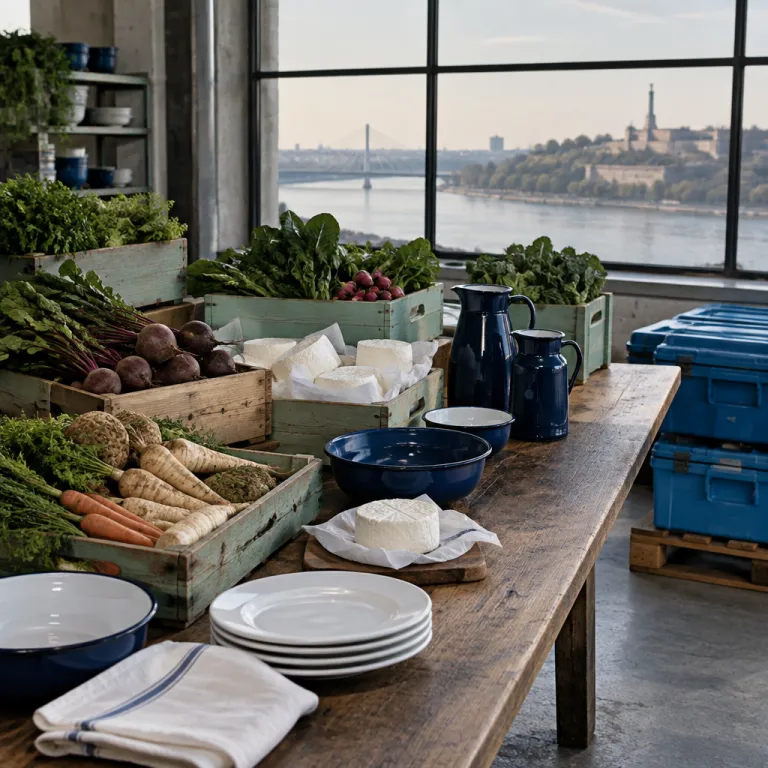
The Vojvodina to Belgrade pipeline: how farms feed the city
Belgrade farm to table restaurants start long before a plate reaches your table. The story begins on a farm in the flat light of Vojvodina, where dairy herds, grains and pork quietly shape the food identity of the city. Couples staying in luxury hotels quickly learn that the most refined dining experience in Belgrade is rooted in these fields rather than in imported cuisine American trends.
Across the region, farmers supply milk, kajmak, smoked meats and organic produce that often travel less than an hour from barn or orchard to a restaurant kitchen. According to data from the Statistical Office of the Republic of Serbia, the average distance between farms in South Bačka and Belgrade is roughly 80–100 kilometers, a scale that makes same‑day delivery realistic. Local observers note that a growing share of Belgrade restaurants now use some form of locally sourced ingredients, a marked shift from the era when imported food defined prestige. This proximity means that when you sit at a white tablecloth in a riverside restaurant, the ingredients on your plate may well have left a farm that same morning.
Suppliers such as BOZOVIĆ‑AGRAR DOO and similar distributors have become quiet stars of the dining scene, coordinating early deliveries to places like Langouste, Bela Reka and KOORDINATA. Public business registries list BOZOVIĆ‑AGRAR DOO as working with more than 40 small producers across Vojvodina and Šumadija, illustrating how many farms can feed a single urban network. Their trucks move before sunrise, linking small farm cooperatives with the executive chef teams who plan each menu around what is freshest. As one Belgrade supplier explained over coffee at Kalenić market, “Our job is to make sure the chef knows what the fields look like today, not last month.” For travelers choosing a premium hotel in Belgrade, this network helps ensure that the restaurant or nearby cafe can offer breakfast, lunch and dinner built on genuinely local food rather than marketing language.
Bela Reka and the power of owning the farm
Among Belgrade farm to table restaurants, Bela Reka has become a reference point for how tightly a restaurant can control its supply chain. The owners run their own farm in the countryside, which allows the chef to plan the menu around seasonal rhythms instead of forcing the land to match a fixed list of dishes. When couples book a romantic stay in the city, a table here often becomes the culinary highlight of their trip.
Because Bela Reka owns the farm that feeds the restaurant, the team can decide exactly which local ingredients to plant, raise and harvest for each season. Lamb, potatoes, peppers and herbs move directly from pasture and garden to the kitchen, creating a dining experience where comfort food feels elevated but never fussy. One chef described it simply: “If the lambs are not ready, we do not serve lamb.” This model also reduces the need for long distance imports from places such as the Bay Area, San Francisco or Napa Valley, keeping the focus firmly on Serbian terroir rather than on wine country clichés.
For travelers used to restaurants in Denver or other American cities where farm table concepts sometimes feel like branding, Bela Reka’s approach is refreshingly literal. Staff will happily explain which part of the farm produced your kajmak or sausage, and you can learn how the same fields supply other restaurants in Belgrade. If you are planning hotel dinners around authentic Serbian cuisine, pair an evening here with a traditional kafana meal from this guide to modern Serbian cooking in Belgrade’s kafanas to understand both the rural and urban sides of the city’s food culture.
Chefs, suppliers and the new language of local luxury
The most interesting Belgrade farm to table restaurants are led by chefs who treat suppliers like creative partners rather than anonymous vendors. At Langouste, modern cuisine with Serbian roots means the executive chef builds each menu around what fishermen on the Danube and farmers in Šumadija can actually deliver that week. KOORDINATA takes a similar approach, using seasonal menus to translate local ingredients into plates that feel as polished as any bar restaurant in a major American city.
These kitchens rely on a tight choreography between chef, farm and distributor, where daily phone calls replace generic orders and spreadsheets. When a farmer reports a bumper crop of tomatoes or a smaller than expected lamb yield, the restaurant adjusts the dining experience rather than forcing the farm to meet a fixed concept. This flexibility is what separates Belgrade’s best farm driven kitchens from more static restaurants in Denver or the Bay Area, where farm table branding sometimes hides rigid planning.
For hotel guests, this means that the same restaurant can feel different from one visit to the next, even within a single trip. You might enjoy a late lunch built around river fish and organic produce one day, then return for dinner to find a menu celebrating forest mushrooms and slow cooked comfort food. To understand why many of the city’s most exciting tables sit outside hotel lobbies, read this analysis of why Belgrade’s finest restaurants rarely live inside the lobby before planning your reservations.
Seasonal menus, Serbian wine and where couples should book
Seasonality is not a marketing slogan in Belgrade farm to table restaurants; it is a calendar that shapes both menus and travel plans. Spring brings asparagus, young cheeses and fresh river fish, while late summer leans into peppers, tomatoes and stone fruit that define Serbian cuisine. By autumn, restaurant wine lists turn toward deeper reds from Fruška Gora and Negotin, echoing the shift from grilled dishes to slow braises and richer comfort food.
Restoran 27 and several other wine focused restaurants in the city highlight bottles from Fruška Gora and Šumadija, giving couples a wine country feeling without leaving Belgrade. Serbia’s presence on international lists such as Star Wine List shows how quickly the local dining scene has matured, even if it remains less known than Napa Valley or the Bay Area among American travelers. When you sit down at a bar counter or in a quiet corner of a fine dining room, you are tasting a supply chain that runs from hillside vineyards to urban cellars with almost no middlemen.
Many of these restaurants offer a relaxed happy hour or early evening menu, which works well if you are balancing spa time and late nights on the river. Ask your concierge to secure a table at Langouste, Bela Reka or KOORDINATA on nights when their farm partners deliver especially prized organic produce. For design minded couples, pairing such dinners with an architecture walk from this guide to Brutalist Belgrade and its essential city walks creates a nuanced portrait of the city beyond the usual nightlife stories.
How hotel guests can follow the supply chain from market to table
One of the pleasures of Belgrade farm to table restaurants is that you can trace their ingredients back through the city’s markets. Start a morning at Kalenić or Zeleni Venac, where stalls overflow with organic produce, homemade cheeses and cured meats from small farm cooperatives. Many chefs shop here personally, turning these markets into informal meeting points between restaurant professionals and the families who grow their food.
Several luxury hotels can arrange guided market visits where you learn how to choose the best kajmak, which apples come from Šumadija and why certain peppers only appear for a few weeks. These tours often end with a cafe stop or a light breakfast lunch, giving you time to taste what you have just seen in raw form. For couples who enjoy cooking, some properties can even coordinate private classes where a chef walks you through a full dining experience based on the morning’s purchases.
If you are used to farm table concepts in San Francisco, Denver or other American hubs, Belgrade’s version feels more direct and less theatrical. There is no need for James Beard award winning labels or award winning slogans when the farm is only an hour away and the chef knows each producer by name. As one local explanation puts it, “What is farm-to-table? Direct sourcing of food from local farms to restaurants. Why is farm-to-table important? Ensures freshness, supports local farmers, and promotes sustainability. Which Belgrade restaurants are farm-to-table? Langouste, Bela Reka, KOORDINATA.”
FAQ about farm-to-table dining in Belgrade
What makes Belgrade farm to table restaurants different from those in American cities ?
Belgrade’s farm focused restaurants operate within a compact geography, with many farms and restaurants separated by relatively short distances. This proximity allows chefs to adjust menus daily based on what arrives from Vojvodina, Šumadija and the Danube fisheries, rather than locking into long term contracts. For travelers used to cuisine American concepts in large cities, the result feels more spontaneous and closely tied to actual agricultural rhythms.
Which Belgrade restaurants should couples prioritize for a farm driven dining experience ?
Bela Reka is essential because it runs its own farm, giving guests a direct link between field and table. Langouste offers refined cuisine with Serbian roots, while KOORDINATA focuses on seasonal menus built around locally sourced ingredients. Together, these restaurants provide a clear picture of how the city’s dining scene has embraced local ingredients at every level of formality.
Can hotel concierges help arrange market or winery visits linked to these restaurants ?
Many premium hotels in Belgrade now work closely with guides, drivers and sometimes even restaurant teams to organize market walks and winery day trips. A typical itinerary might include Kalenić market in the morning, a lunch at a farm oriented restaurant, then an afternoon tasting in Fruška Gora or Šumadija. This approach lets couples see how organic produce and local wines move from producer to plate in a single day.
Is farm-to-table dining in Belgrade suitable for guests with dietary preferences or restrictions ?
Because chefs work so closely with farms and suppliers, they usually know exactly which ingredients are in each dish and can adapt recipes. Vegetarian, pescatarian and gluten sensitive diners often find more flexibility here than in restaurants that rely heavily on processed products. When booking, mention your needs so the restaurant can coordinate with its farm partners and plan a menu that still reflects the local season.
How should travelers time their reservations to enjoy the best farm based menus ?
Seasonal peaks matter; late spring and early autumn are particularly rewarding for fresh vegetables, fruit and balanced wine lists. Within a week, midweek evenings often provide the most relaxed service, while weekends can be livelier with longer tasting menus. Ask your concierge which nights key suppliers deliver to specific restaurants, then align your reservations with those deliveries for the freshest possible dining experience.