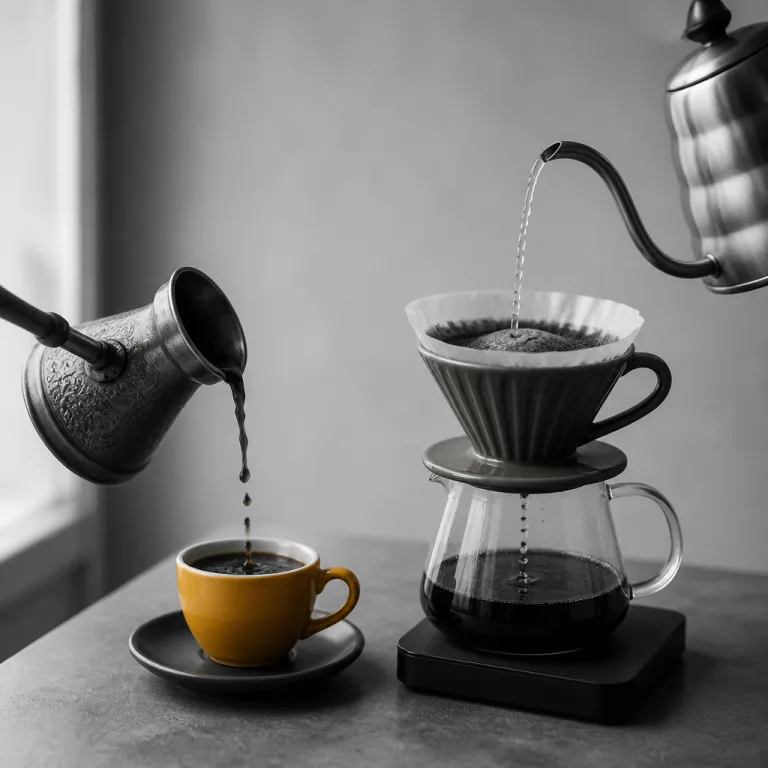
The social code of coffee in Belgrade’s grand cafés and kafane
Coffee in Belgrade is not a quick caffeine fix, it is a social operating system. In the grand cafés along Knez Mihailova and the old kafane tucked behind Terazije, a single cup of coffee in Belgrade can justify an entire afternoon of conversation and people watching. For a luxury traveler staying near hotel Beograd or along the main pedestrian spine, this slow rhythm is your first lesson in how the city actually works.
Traditional domaća kafa, often translated as Turkish coffee, arrives in a small džezva with a thick, almost muddy texture and a powerful coffee aroma. Order it in a historic cafe or a neighborhood kafana and you will see how well the ritual still anchors daily life, from morning business meetings to late night card games. The atmosphere is unhurried, the space is usually simple, and the expectation is clear ; you can sit as long as you like as long as you treat the place and the friendly staff with respect.
Menus in these older coffee shops rarely read like a third wave coffee shop list, but they deliver consistently good coffee and often surprisingly good food. Espresso is now common even in traditional spots, yet locals still rate a place by how the domaća tastes and how friendly the waiter is rather than by any google review. For a solo explorer, these rooms are a great coffee classroom where you can watch the city negotiate, flirt and argue over excellent coffee without ever feeling rushed.
In central Belgrade, especially around Republic Square and the adjacent streets, you will notice a clear divide between glossy hotel lobbies and the lived in patina of long running cafés. Many luxury properties, including hotel Beograd and its peers, serve technically high quality espresso based coffee drinks but rarely capture the layered atmosphere of a true kafana. That is why the most rewarding coffee spot for a guest in a five star hotel is often just outside the lobby, where the city’s own rituals set the tempo and the coffee good habits of locals become your guide.
Dorćol and Vračar: where specialty coffee cafés shape the day
The densest cluster of belgrade specialty coffee cafes stretches through Dorćol’s grid of low rise streets and up into Vračar’s residential slopes. Here, minimalist interiors, carefully calibrated espresso machines and single origin beans coexist with older cafés where regulars still order Turkish style coffee good enough to rival any new wave barista. For travelers staying in design forward hotels nearby, this is the part of the city where a morning walk between one coffee shop and the next becomes a daily ritual.
In Dorćol, look for a cafe with large windows, a short but focused menu and a bar where the barista talks easily about single origin beans and different coffee drinks. These places often double as informal work hubs, with a calm atmosphere, reliable Wi Fi and a space that feels both relaxed and curated. You will see laptops, notebooks and the occasional instagram shoot, yet the focus remains on quality coffee and the pleasure of sitting still while the city moves around you.
Vračar leans more residential, with tree lined streets where coffee shops are woven into the daily school run and market visits. Here you will find both affordable coffee counters and more polished specialty coffee rooms that still feel very local and very Belgrade. Many of these spots serve excellent coffee alongside simple food, from pastries to light brunch plates, making them a good place to start a day of church visits and neighborhood wandering.
For hotel guests interested in gastronomy, these belgrade specialty coffee cafes also act as informal guides to the wider food scene. Baristas will often point you toward the nearest kafana for grilled meats or to a modern bistro that proves why many of the city’s finest tables live outside the lobby, a pattern explored in depth in this analysis of why Belgrade’s best restaurants are rarely inside hotels. Use each coffee spot as a conversation starter, and you will quickly map the city’s most interesting kitchens as well as its most serious coffee spots.
From third-wave counters to Belgrade Waterfront: mapping the new coffee axis
While the historic center still defines the classic cafe image, the newest wave of belgrade specialty coffee cafes runs along the Sava river and into the Belgrade Waterfront development. Glass fronted coffee shops with Scandinavian inspired interiors now sit beside the promenade, serving cold brew, filter coffee and espresso based coffee drinks to joggers, families and business travelers. For guests in luxury towers and riverside hotels, this is the most convenient way to meet the city’s specialty coffee ambitions before breakfast or after a sunset walk.
Along the Belgrade Waterfront, you will notice menus that read like a compact coffee magazine, with clear notes on origin, processing and roast level. Single origin beans from Ethiopia, Colombia or Kenya are common, and baristas talk confidently about extraction times and water temperature while still keeping the tone friendly. Prices remain relatively accessible, so even the most high quality pour over or cold brew counts as affordable coffee by international luxury travel standards.
These riverside coffee shops often blur into lifestyle spaces, with design objects, local ceramics or even shelves that feel like a small kafeterija magazin dedicated to coffee culture. The atmosphere is bright and contemporary, a contrast to the dimmer, more nostalgic mood of an old school kafana in the city center. Both worlds serve great coffee, but the riverside counters lean toward precision, clean flavors and a coffee great focus on terroir rather than tradition.
For travelers who enjoy thoughtful in room experiences, the rise of specialty coffee has also influenced how top properties curate their amenities. Some luxury hotels now pair local beans with reimagined minibars that showcase Serbian craft spirits and snacks, a trend explored in this guide to reinvented hotel minibars in Belgrade. When a hotel beograd style property stocks quality coffee alongside regional rakija, it signals a commitment to both excellent coffee and a broader sense of place.
Planning a coffee-led day from your luxury hotel base
Building a day around belgrade specialty coffee cafes is one of the most rewarding ways to understand the city’s rhythm. Start from your hotel beograd level property in the center, then map a loose triangle between the old town, Dorćol and the riverside promenades. Each coffee spot becomes both a rest stop and a lens on a different layer of Belgrade life.
Morning is ideal for a quieter espresso or filter coffee in a Dorćol coffee shop, where the friendly staff are still setting up and the space feels almost private. From there, walk toward Kalemegdan, stopping at a traditional cafe for domaća kafa and perhaps a small plate of food before you reach the fortress. The contrast between high quality specialty coffee and the thick, old style brew tells you more about the city’s past and present than any guidebook paragraph.
Afternoons suit the grand cafés around Knez Mihailova or the shaded terraces near Studentski Trg, where you can order good coffee, watch the city flow past and plan your evening. If you are visiting in the busier months, it is worth pairing your coffee route with a strategy for reservations at restaurants and river clubs, using resources such as this guide to navigating peak season in Belgrade. Coffee breaks become the moments where you check plans, adjust your map and decide whether tonight calls for a quiet wine bar or a louder splav on the river.
Evenings are when belgrade specialty coffee cafes subtly shift mood, with some turning down the lights and leaning into a more intimate atmosphere. A final espresso or a decaf filter in a well chosen coffee spot can act as a gentle landing after a long dinner or a night of bar hopping. For solo travelers, these rooms feel safe, friendly and grounded, a reminder that in this city the day rarely ends when the last coffee is poured.
How to read a Belgrade coffee menu like a local
Understanding the language of coffee in Belgrade helps you move confidently between traditional cafés and the most serious belgrade specialty coffee cafes. On older menus, you will usually see domaća kafa, espresso, macchiato and perhaps a few simple variations, while newer coffee shops list V60, Aeropress, cold brew and multiple single origin options. Both styles can deliver good coffee, but they speak to different expectations about time, taste and atmosphere.
In specialty focused coffee shops, pay attention to how clearly the menu explains origin, roast and brewing method. A short, well written list that highlights single origin beans and offers both espresso based and filter coffee drinks is usually a sign of a team that cares deeply about quality coffee. When staff can talk easily about flavor notes without sounding rehearsed, you are probably in a place where excellent coffee is the rule rather than the exception.
Traditional cafés, especially those with a kafeterija style counter, may not mention origin at all, yet still pour coffee belgrade locals swear by. Here, the test is simple ; does the coffee arrive hot, aromatic and balanced, and does the room feel like a space where you could comfortably linger with a newspaper or a friend. If the answer is yes, you have found a coffee spot that understands that coffee great experiences are as much about context as they are about beans.
Across the city, from the riverfront promenades to the backstreets behind hotel Beograd, you will notice how often locals use coffee as a way to mark transitions in the day. A quick espresso at the bar before work, a longer session with friends in the afternoon, a final small cup after dinner ; each moment has its own preferred cafe and its own unwritten rules. For travelers who tune into this rhythm, belgrade specialty coffee cafes become not just places to refuel, but the most reliable way to feel the city’s pulse.
FAQ
Are Belgrade’s specialty coffee cafés expensive compared with other European cities ?
Prices in belgrade specialty coffee cafes are generally lower than in Western European capitals. Even in high design coffee shops along Belgrade Waterfront, a high quality espresso or cold brew usually counts as affordable coffee for visitors from the United States. You can comfortably plan several coffee stops a day without significantly impacting a luxury travel budget.
Can I linger for a long time in Belgrade cafés without ordering more ?
Belgrade’s cafe culture is built around lingering, so staying with a single coffee for an hour or more is normal. In both traditional kafane and modern coffee shops, staff expect guests to use the space as a social or working room. As long as you are respectful and the place is not extremely crowded, nobody will pressure you to order more coffee drinks.
Do luxury hotels in Belgrade serve the same quality coffee as specialty cafés ?
Many upscale properties, including hotel Beograd level addresses, now serve technically good coffee with modern machines and trained baristas. However, the most characterful experiences still tend to be in independent belgrade specialty coffee cafes where single origin beans and experimental brewing methods are the norm. For the best of both worlds, enjoy your first espresso in the hotel, then explore nearby coffee spots for more distinctive flavors.
Is it common to find plant based milk and alternative options in Belgrade coffee shops ?
In the newer generation of specialty coffee shops, especially in Dorćol, Vračar and Belgrade Waterfront, plant based milks are widely available. Oat and soy are the most common, and baristas are used to adjusting espresso based drinks for different preferences. Traditional cafés may be less flexible, so if you need alternatives, focus on modern coffee spots.
How should I tip in Belgrade cafés and coffee shops ?
Tipping is appreciated but not mandatory, and locals usually round up the bill or leave around ten percent for good service. In both casual coffee shops and more polished belgrade specialty coffee cafes, leaving a small tip for friendly staff is a simple way to acknowledge their work. Cash is still common, though many places now accept cards with an option to add a gratuity.