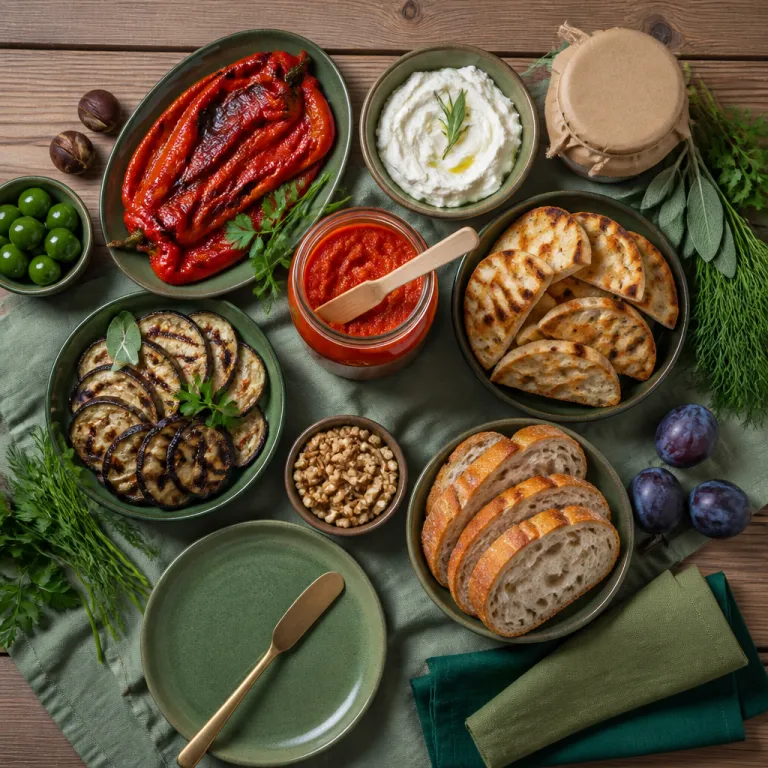
Belgrade autumn food seasonal rhythms from market to hotel table
Belgrade autumn food seasonal rhythms begin before sunrise at Kalenić market. As you step out from a luxury lobby into the crisp autumn air, the shift from summer abundance to autumn Serbia depth is immediate and almost theatrical. This is where the city’s most serious chefs quietly shop for local ingredients that will define their menus for the coming autumn days.
The stalls are stacked with peppers, eggplants, cabbages and crates of walnuts, all waiting to become traditional Serbian recipes that speak of both city life and rural memory. You will see grandmothers and young cooks comparing ingredients with the same intensity that sommeliers reserve for rare bottles, because in Belgrade Serbia the line between home cooking and restaurant cuisine is thin and proudly guarded. For travelers booking premium rooms, this market energy is the backstage to every refined plate of food you will meet later in the evening.
Luxury hotels that take cuisine seriously send their teams here to source natural produce, from glossy peppers for ajvar to wild mushrooms gathered near a forest park on the edge of the city. The best properties brief their chefs to respect natural beauty on the plate, using only salt, pepper and a thread of oil when the ingredients are perfect. When you taste a slow cooked stew or grilled minced meat in a polished dining room, you are tasting the same autumn Serbia pantry that fuels family kitchens across the Belgrade city neighborhoods.
The ajvar ritual and how hotels translate it for travelers
Ajvar is the flavor that defines belgrade autumn food seasonal cooking, and it starts with smoke. In courtyards across Belgrade city, families roast red peppers over open flames, peel them by hand and stir them slowly with garlic oil until the mixture becomes a deep, sweet spread. This ritual is less a recipe and more a collective experience that marks the passing of seasons in Serbia.
High end hotel kitchens cannot line the pavement with roasting peppers, yet they borrow the same ingredients and patience to create elegant ajvar based dishes autumn guests remember. You might taste it folded into traditional dishes with minced meat and meat rice, or as a bright counterpoint to grilled river fish that nods to the nearby Danube River and the Danube Sava confluence. In the right dining room, a spoon of ajvar beside perfectly charred meat is the meat perfect detail that quietly signals respect for traditional Serbian roots.
For a deeper understanding of how this condiment shapes modern cuisine, read about Belgrade’s evolving tavern culture in this guide to where tradition meets modern Serbian cooking. When you visit in autumn, ask your concierge which nearby kafana still prepares ajvar from local ingredients rather than industrial jars. That single question often leads to an experience where vibrant food, live music and stunning views of everyday Belgrade merge into a night that feels perfectly seasonal.
Autumn ingredients, game and mushrooms in refined Serbian cuisine
Once ajvar season peaks, Belgrade autumn food seasonal menus turn toward game, forest mushrooms and orchard fruit. Chefs who care about cuisine as storytelling use these ingredients to frame autumn Serbia as both rugged and surprisingly delicate. Think slow braised venison with wild mushrooms, or duck paired with quince and walnuts that echo the natural beauty of the countryside beyond the city.
In luxury hotel restaurants, these traditional dishes are rarely copied directly from rural recipes, yet the soul of traditional Serbian cooking remains visible. A classic sarma of minced meat and meat rice might arrive as a deconstructed plate, with cabbage leaves wrapped more lightly and finished with garlic oil instead of heavy roux. Another evening, you may find dishes autumn inspired by hunters’ stews, where salt, pepper and a drizzle of cold pressed oil highlight the depth of local ingredients rather than hiding them.
Step outside the lobby and you will notice how certain neighborhoods lean into this seasonal mood, especially around the cobbled streets of Skadarlija. To understand what the bohemian quarter actually offers beyond clichés, explore this perspective on Skadarlija’s real culinary character. When you visit from a premium hotel nearby, you can move easily between white tablecloth dining and more relaxed venues that still serve food rooted in recipes passed down through generations.
From river views to park terraces: where hotel guests should eat in autumn
Belgrade autumn food seasonal pleasures are amplified by where you sit, not only by what you eat. Many upscale properties frame their dining rooms around stunning views, either toward the Danube River, the Sava or the fortress that watches over the Danube Sava meeting point. On clear autumn days, terraces facing the water or a leafy park become the perfect stage for long lunches built around traditional dishes and a glass of Serbian wine.
When choosing a luxury stay, look for hotels that offer both a signature restaurant and guidance toward nearby neighborhood spots. A concierge who understands cuisine will point you to places where minced meat is grilled over charcoal, where meat rice fillings are rolled by hand and where dishes autumn menus change weekly according to what arrives from farmers. This mix of polished service and local experience allows you to feel the vibrant energy of Belgrade Serbia without sacrificing comfort.
Between meals, you might walk through a riverside park to catch views Danube reflections shifting with the season, then return to a lobby bar for small plates that reinterpret traditional Serbian snacks. For design minded travelers, this article on museums for the design minded visitor pairs well with an afternoon of gallery hopping followed by early evening cooking focused on local ingredients. By nightfall, the city’s natural beauty softens under warm lighting, and every plate of food feels like a quiet commentary on the day you just spent exploring Belgrade city.
Pairing young wines, rakija and hotel level comfort with seasonal dishes
Belgrade autumn food seasonal menus reach their full expression when paired with the right glass. Serbia has a growing scene of winemakers who treat local grapes with the same care chefs give to ingredients, producing bottles that match the richness of dishes autumn brings. Young reds with bright acidity cut through minced meat grills, while fuller whites echo the sweetness of roasted peppers and slow cooked onions.
In many luxury hotels, sommeliers curate lists that balance international labels with Serbian producers, so you can taste the country without leaving your seat. Ask for recommendations that highlight traditional Serbian pairings, such as plum rakija before a meal of meat rice stuffed cabbage, or quince rakija alongside desserts built around walnuts and honey. When the service team understands both recipes and terroir, each course becomes an experience that links city dining rooms to vineyards and orchards beyond Belgrade city limits.
After dinner, step outside to feel the cooler autumn air rolling off the Danube River and the Sava, carrying faint aromas of wood smoke and garlic oil from nearby grills. The views Danube side may not always be dramatic, yet there is a quiet beauty in watching river traffic slide past as lights flicker on across the city. In that moment, the conclusion autumn offers is simple, because the meat perfect bite, the right glass and the sense of place combine into a memory that stays long after your visit to Belgrade Serbia ends.
FAQ
What makes ajvar so important in Belgrade during autumn ?
Ajvar matters because it captures the essence of belgrade autumn food seasonal cooking in one preparation. Families and restaurants across Serbia roast peppers, peel them by hand and slowly cook them with oil, garlic and minimal salt, pepper to create a spread that lasts through colder months. When you taste ajvar in a hotel restaurant, you are tasting a link between city dining and rural tradition.
Which traditional Serbian dishes should I try in autumn when staying at a luxury hotel ?
Look for traditional dishes such as sarma with minced meat and meat rice, slow cooked beef stews and grilled meats served with ajvar and seasonal salads. Many chefs also highlight dishes autumn inspired by game and wild mushrooms, often finished simply with garlic oil and fresh herbs. These plates show how local ingredients and classic recipes can feel refined without losing their roots.
Where in Belgrade can I enjoy food with river views during autumn days ?
Several upscale hotels and restaurants line the banks of the Danube River and the Sava, offering stunning views of the Danube Sava confluence. Terraces along these stretches are especially atmospheric on clear autumn days, when the light softens and the city feels calmer. When booking, ask specifically for properties whose dining rooms or bars face the water so you can enjoy views Danube side with your meal.
How do Belgrade hotels use local ingredients in their seasonal menus ?
Serious hotel kitchens in Belgrade Serbia source from city markets and nearby farms, focusing on natural produce such as peppers, cabbages, mushrooms and orchard fruit. They build menus around these local ingredients, often updating traditional Serbian recipes with lighter sauces and more precise cooking. The result is cuisine that respects natural beauty while meeting the expectations of luxury travelers.
Is autumn a good time to visit Belgrade for food focused travel ?
Autumn is arguably the perfect season to visit Belgrade city if you care about food. The markets are full, the weather is cool enough for hearty dishes and hotels often design special menus around seasonal ingredients. Between park walks, riverfront strolls and long dinners, the overall experience of autumn Serbia feels both vibrant and deeply comforting.
Sources
Serbian Tourist Board ; National Association of Hoteliers and Restaurateurs of Serbia ; Belgrade City Tourist Organization.