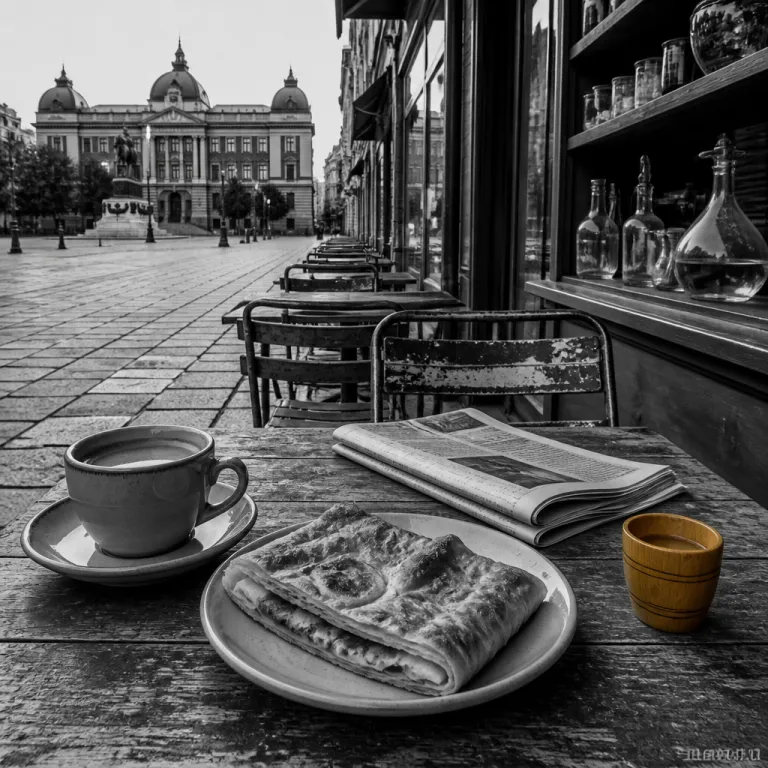
Dawn in Belgrade: burek, hotel choices and the city waking up
Belgrade is at its most honest just after sunrise, when the streets are quiet and the smell of warm food drifts from tiny bakeries. If you are planning a luxury stay and using a premium hotel booking website focused on Belgrade Serbia, this is the moment to decide whether you want to wake up above Knez Mihailova, on the Sava riverfront, or in leafy Vračar, because each neighbourhood shapes a different belgrade food guide day. Many of the best hotels now work closely with local bakeries and belgrade restaurants, so your concierge can point you to the exact place where Belgrade locals queue for their first bite.
The classic start is burek, that layered pastry filled with cheese, meat or spinach, which defines traditional Serbian mornings. In singular form, a slice of cheese burek with a glass of drinkable yoghurt feels heavy, while in plural, different bureks shared over a marble counter become a full tasting of simple but delicious food. When you eat burek at 8:00, you are stepping into a rhythm that predates any restaurant trend in Serbia and still sets the pace for how people eat Belgrade wide.
For a solo traveler staying in a high end place, ask the front desk to mark two or three buregdžinice on your map before you visit Belgrade for the first time. One might be a no nonsense place near the railway station, another a more polished bakery in Dorćol, and a third hidden in a residential block where the atmosphere is all steam and shouted orders. This is where your belgrade food guide day truly begins, because the first decision about where to eat shapes how you will find the best places and the best food later.
Luxury hotels in Belgrade Serbia increasingly understand that guests want access to real Serbian food, not just international breakfast buffets. Some properties now offer early morning walking routes that combine a short stroll, a stop for burek, and a quick orientation of the city’s key places, which is ideal if you have limited time. Start light, because the average daily caloric intake in Serbia is around 3000 kilocalories according to the World Health Organization, and a full day of belgrade eat experiences will easily reach that number.
Mid morning coffee in Belgrade: from hotel lobby to Dorćol cafés
By 10:00, the city shifts from pastry to caffeine, and any serious belgrade food guide day must follow that move. Coffee Belgrade culture is layered, with Turkish style coffee, Italian espresso and third wave pour overs all coexisting in a way that feels very specific to Belgrade Serbia. In luxury hotels, you might start with a short espresso in the lobby, then step outside to find a quieter place where locals linger over cups and conversation.
Traditional Serbian coffee is boiled in a džezva and served unfiltered, and it is usually sipped slowly with a glass of water and sometimes a small piece of Turkish delight. In singular form, one Turkish coffee can keep you company for half an hour, while in plural, several coffees across different cafés become a walking tour of the city’s changing atmosphere. If you are curious about how Belgrade’s fine dining scene has evolved from these roots, read about the city’s Michelin moment and its new stars in this detailed piece on Belgrade’s Michelin recognised restaurants, then return to your cup with a better sense of context.
For a solo traveler staying in a premium hotel, ask the concierge for a short list of coffee Belgrade addresses within 1 kilometre, ideally mixing classic kafanas and newer specialty cafés. Some of the best places cluster in Dorćol and around Studentski Trg, where you can sit outside, watch Belgrade locals pass, and plan where to eat Belgrade style for lunch. This is also the right time to check your hotel booking website again and confirm late checkout or spa slots, because a relaxed schedule makes the whole belgrade food guide day feel more luxurious.
Serbian cuisine treats coffee as both a pause and a social tool, and that dual role matters for travelers. You might use one café as a quiet place to read about belgrade restaurants, then move to another place with louder music and a more energetic crowd. Whether you choose a single coffee or several coffees, this mid morning window is when you tune into the city’s tempo and decide how much time you want to spend at each stop.
The long Serbian lunch: where luxury hotels and traditional food meet
By early afternoon, Belgrade shifts again, and the main meal of the day approaches, which is central to any serious belgrade food guide day. In Serbian culture, lunch rather than dinner is traditionally the biggest meal, and that is why many of the best food experiences happen between 13:00 and 15:00. If you are staying in a luxury property, this is when the concierge’s address book becomes your most valuable tool.
Traditional Serbian food at lunch might start with meze, move to sarma or grilled meat, and end with something sweet, and this structure still shapes how people eat in Belgrade Serbia. In singular form, one long lunch at a carefully chosen restaurant can teach you more about Serbian cuisine than several shorter meals, while in plural, a sequence of lunches across different days lets you compare places and find your own best places. For a deeper look at how chefs are reworking these traditions, explore this guide to new Balkan cuisine in Belgrade, then choose whether you want a white tablecloth experience or a more relaxed kafana.
Many premium travelers now split their time between classic kafanas and contemporary belgrade restaurants that reinterpret Serbian food with lighter sauces and more vegetables. A single restaurant might offer cevapi in one corner of the menu and a refined take on traditional Serbian flavours in another, which lets you eat both comfort food and something more experimental at the same place. When you plan your belgrade food guide day, consider booking one lunch at a Michelin listed restaurant and another at a family run kafana, because the contrast is where the city’s character really appears.
Luxury hotel booking platforms that specialise in Belgrade often highlight properties within walking distance of key food Belgrade streets, such as Skadarska or the blocks around Kalemegdan. This proximity matters when you have enjoyed a long lunch with wine and maybe a small glass of rakija, because you can return to your room on foot and rest before the evening. The combination of a carefully chosen place to stay and a thoughtfully planned lunch stop turns a simple meal into a full belgrade eat experience.
Afternoon transitions: from coffee to rakija and sweet stops
Late afternoon in Belgrade is a liminal moment, when the city moves from work mode to evening social life, and your belgrade food guide day should follow that subtle shift. Many locals return to coffee Belgrade rituals around 16:00, sometimes adding a small glass of rakija as an aperitif rather than waiting until after dinner. This is also when hotel guests often drift from rooftop pools or spas back into the streets, looking for a light snack and a change of atmosphere.
One smart move is to pair a final coffee with something sweet, such as the filled dumplings at Ferdinand knedle, which has become a reference point for both visitors and residents. In singular form, one knedla stuffed with plum or chocolate can be enough, while in plural, several knedle shared with new friends turn into an impromptu tasting that still leaves room for dinner. If you prefer ice cream, head to Crna ovca, where a single scoop of inventive flavour or multiple scoops in a cup can reset your palate and keep your belgrade food guide day balanced.
Serbian cuisine also uses this afternoon window for small savoury bites, such as a plate of cheese, olives and cured meats in a kafana, often accompanied by a first glass of craft beer or a measured pour of rakija. Luxury hotels with strong concierge teams will know exactly which places near your place of stay offer the right mix of traditional Serbian snacks and more modern options, so ask specific questions rather than generic advice. This is also a good time to book a private city experience through a trusted operator, and you can use this curated list of private guided tours in Belgrade worth your money to align your tastings with neighbourhood walks.
For solo travelers, the afternoon is when Belgrade feels most approachable, because cafés and bars are busy but not crowded, and staff have time to chat. You might sit at one place for an hour, then move to another place for a different view, slowly building a mental map of where you want to eat Belgrade style later. Pace yourself, stay hydrated and remember the simple local advice for a full day of eating and drinking in Serbia : start with a light breakfast, pace yourself throughout the day and stay hydrated.
Evening meze and main courses: mapping dinner across the city
As daylight fades, Belgrade’s restaurant scene comes fully alive, and your belgrade food guide day enters its most social phase. Locals often begin with meze around 19:00, ordering small plates of cheese, ajvar, cured meats and salads to share before any main course appears. In singular form, one meze platter can serve as a light dinner if you have eaten heavily at lunch, while in plural, several meze spreads across different places turn the evening into a moving feast.
Traditional Serbian food at night often centres on grilled meat, and cevapi are the emblematic choice, whether you order a single portion or share multiple plates with a group. Some travelers seek out Sarajevski cevap style kebabs, which are slightly different in seasoning and shape, and comparing one cevapi portion to another becomes a quiet sport among food Belgrade enthusiasts. If you prefer something else, pizza Belgrade options range from thin crust Italian style slices to thicker, more indulgent versions, and a single pizza or several pizzas shared with friends can be a welcome break from meat heavy Serbian cuisine.
Luxury hotel guests often ask where to find the best food within a short taxi ride, and concierges will usually point to a mix of classic belgrade restaurants in Skadarlija, contemporary spots in Dorćol and newer addresses in Savamala. Each place offers a different atmosphere, from candlelit courtyards with live music to sleek dining rooms overlooking the rivers, and choosing between one place or several places in a night depends on how much time and energy you have. When you plan your belgrade food guide day, remember that dinner does not need to be the heaviest meal, because in Serbia the main meal is traditionally lunch.
Wine lists in Belgrade Serbia now feature strong local labels from regions like Fruška Gora, and many restaurants also offer craft beer from small Serbian breweries. You might pair one glass of wine with cevapi, then switch to a local craft beer with pizza, or stay with mineral water if you are saving yourself for rakija later. Whatever you choose, ask staff about their favourite combinations, because Kafana staff and Belgrade locals often have better instincts than any guidebook when it comes to matching food and drink.
Late night eating: from rakija rituals to after midnight comfort food
After dinner, Belgrade’s energy does not fade, and a complete belgrade food guide day must include the late night chapter. Rakija, the traditional Serbian fruit brandy, appears now as a social glue, usually served as an aperitif but often enjoyed again after dark in both singular and plural glasses. One rakija can be a quiet toast to the city, while several rakije shared across different places can turn the night into a long, meandering story.
As the hours pass, you will probably feel hungry again, and this is when late night food Belgrade options become essential. Some people return to cevapi, ordering a single portion at a 24 hour grill, while others go for pizza slices, where one slice or multiple slices eaten on the sidewalk feel equally right. There are also places where you can eat simple cheese sandwiches, hot dogs or even another burek, and these modest foods often taste especially delicious at 02:00.
Luxury travelers sometimes assume that after midnight, only fast food remains, but Belgrade Serbia still offers a few belgrade restaurants and kafanas that keep proper kitchens open late. Your hotel’s night staff can usually point you to one reliable place nearby, and if you are staying in a central place, you might even walk there in under 10 minutes. This is also the moment when the city’s nightlife reputation becomes real, but the focus here remains on where to eat Belgrade style rather than where to dance.
For solo explorers, late night is when questions about safety and logistics naturally arise, and it is wise to plan your route back to the hotel before you start your rakija round. Ask yourself a simple question mark in your mind : how far is my place, and do I have a clear way home ? If you keep that in mind, you can enjoy both the food and the atmosphere without stress, ending your belgrade food guide day with a final bite and a quiet walk through streets that rarely sleep.
How to use hotel booking platforms to curate your Belgrade food day
A refined belgrade food guide day does not start on the street, it starts when you choose your hotel on a specialised booking website. Luxury and premium platforms that focus on Belgrade Serbia now highlight proximity to key food districts, access to concierges who understand Serbian cuisine, and partnerships with notable belgrade restaurants. When you compare properties, look not only at room size and spa facilities but also at how each place positions itself within the city’s eating and drinking map.
Some hotels offer curated routes that lead you from burek at dawn to rakija at night, and these can be especially useful if you have limited time in Serbia. In singular form, one well designed itinerary might include a specific burek shop, a coffee Belgrade institution, a lunch at a traditional Serbian kafana, an afternoon stop at Ferdinand knedle or Crna ovca, and a dinner at one of the best places for cevapi or pizza Belgrade style. In plural, several different itineraries across multiple days let you compare neighbourhoods and find your personal best food experiences.
When you read hotel descriptions, pay attention to how they talk about Serbian food and local partnerships, because vague language often signals a weak connection to the city’s real culinary life. A strong property will mention concrete places, such as a nearby Sarajevski cevap grill, a trusted ice cream shop, or a bar with excellent craft beer, and this specificity usually translates into better on the ground recommendations. You can also cross check these claims with independent guides and reviews, using them to refine your own belgrade food guide day plan.
Finally, remember that Belgrade locals and Kafana staff are your best allies once you arrive, and they often answer key questions more directly than any marketing copy. If you wonder whether Serbian food is spicy, the dataset reminds us : "Is Serbian food spicy?" and the answer is "Generally mild, but some dishes can be spicy." If you ask whether vegetarian options exist, the same dataset is clear : "Are vegetarian options available?" and the answer is "Yes, though meat is prevalent, vegetarian dishes exist."
Key figures for a full Belgrade food day
- The average daily caloric intake in Serbia is around 3000 kilocalories according to the World Health Organization, which means a complete belgrade food guide day can easily match local eating patterns if you are not careful with portion sizes.
- Traditional Serbian meal timing still centres on lunch as the main meal, typically between 13:00 and 15:00, so booking restaurant tables at that time often gives you a more authentic atmosphere than late evening slots.
- Burek shops in Belgrade commonly open before 06:00, which allows travelers staying in central hotels to start their food Belgrade exploration well before standard breakfast hours.
- Serbia’s growing interest in rakija varieties has led to a noticeable increase in specialised bars and tasting rooms across Belgrade, giving visitors more structured ways to sample this traditional Serbian drink.
- The rise of food tours in Belgrade reflects a broader trend of culinary tourism, with local guides and food tour companies combining multiple places into one curated route that aligns with the city’s natural eating rhythm.
FAQ about planning a Belgrade food day from your hotel
What is rakija and when should I drink it during the day ?
Rakija is a traditional Serbian fruit brandy, usually made from plums, apricots or quince, and it is typically served as an aperitif rather than a digestif. Locals might have a small glass before lunch or in the late afternoon, and then again in the evening while socialising. For a balanced belgrade food guide day, limit yourself to one or two small glasses and pair them with food.
Is Serbian food generally spicy for American travelers ?
Serbian food is generally mild, with flavour coming more from grilling, smoking and slow cooking than from hot spices. Some dishes, such as certain sausages or spreads, can be spicy, but they are usually easy to identify and avoid if you prefer milder tastes. When in doubt, ask Kafana staff to guide you toward gentler options on the menu.
Can vegetarians enjoy a full Belgrade food day ?
Yes, vegetarians can enjoy a complete belgrade food guide day, even though meat is prevalent in Serbian cuisine. Many restaurants offer grilled vegetables, salads, cheese based dishes and bean stews, and places like Ferdinand knedle or Crna ovca provide satisfying sweet options. When booking your hotel, look for properties that highlight vegetarian friendly belgrade restaurants in their neighbourhood guides.
How early should I start my day if I want burek and coffee like a local ?
If you want to follow local habits, plan to reach a burek shop between 07:00 and 09:00, then move to a café for coffee around 10:00. This timing lets you experience both the early morning bakery rush and the slower mid morning coffee Belgrade culture. Many central hotels in Belgrade Serbia are within a 10 minute walk of both types of places, which makes this schedule easy to follow.
Do I need to book restaurants in advance for lunch and dinner ?
For popular belgrade restaurants, especially those mentioned in guides to the best food or listed in the MICHELIN Guide, reservations are strongly recommended for both lunch and dinner. Traditional kafanas may accept walk ins, but booking through your hotel concierge ensures better tables and smoother timing. If your belgrade food guide day includes a specific place you really want to try, secure that booking first and plan the rest of your stops around it.