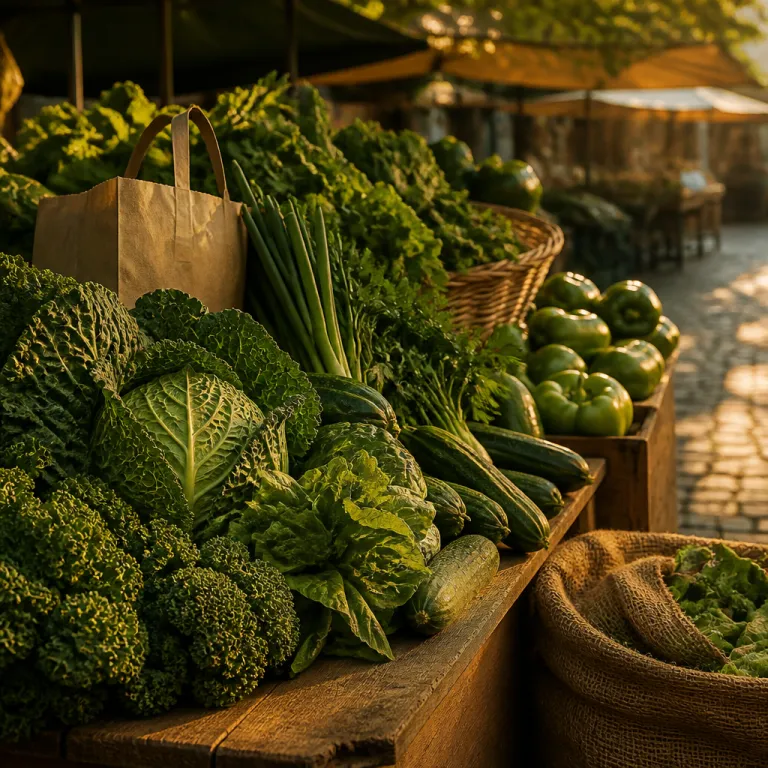
Belgrade food markets for families staying in luxury hotels
Why every luxury stay needs a Belgrade food market visit
For families booking premium hotels in Belgrade, a carefully planned Belgrade food market visit turns a simple morning into the most memorable chapter of the trip. In a city where polished hotel restaurants and riverside venues compete for attention, the open-air markets of Belgrade quietly deliver the best access to real flavours, real people and the daily rhythm of the city. When you step from a marble lobby into the noise of a bustling market morning, the contrast is exactly what makes the experience feel so rare and so luxurious.
Belgrade is a city where hospitality is measured less by thread count and more by how generously someone piles tomatoes into your bag or slices an extra piece of cheese for your child. That is why a Belgrade food market visit belongs on the same itinerary as the top attractions, from the fortress to Knez Mihailova Street and the riverside promenades of the Serbian capital. For premium family travellers, these markets are free to enter, endlessly engaging for children and perfectly placed between the city’s best museums, parks and restaurants.
Most luxury hotels in central Belgrade are located within walking distance or a short taxi ride from the main markets, which makes a morning visit easy to weave between breakfast and an afternoon by the river. The concierge can arrange a private guide for your Belgrade food market visit, or you can simply walk, armed with a short list of Serbian phrases and a reusable bag. Either way, you are stepping into the most popular stage where Belgrade’s food culture plays out in full colour, from stacked peppers to hanging cured meats and trays of still-warm pastries. When you plan ahead, a Belgrade food market visit becomes a practical, family-friendly way to experience the city beyond the lobby.
Zeleni Venac market: central, chaotic and perfect with kids
Zeleni Venac Market, officially opened in 1926 on the site of an earlier 19th-century trading area, is widely described as one of the oldest continuously operating green markets in Belgrade. This central market sits just below Republic Square, close enough that many hotel guests can walk down from Knez Mihailova Street in under ten minutes at a relaxed pace. For a first Belgrade food market visit with children, Zeleni Venac offers a compact, amphitheatre-like layout where you can see most stalls at a glance and keep the family together.
The market typically operates from early morning to early evening (around 06:00 to 19:00 Monday to Saturday and slightly shorter hours on Sunday), though exact times can vary slightly by season and stall. The best energy arrives in the early morning when local people shop before work and the air still feels relatively cool in summer. Families staying in luxury hotels nearby can ask for an early breakfast or a takeaway coffee, then stroll down while the city is still stretching awake. Visit early for the freshest produce, bring cash, as many vendors remain cash-only, and be prepared for crowds, especially on weekends when prices can be a little lower towards closing time.
At Zeleni Venac, focus your Belgrade food market visit on simple, high-impact tastes that work for all ages, from sweet summer berries to slices of watermelon and tiny cups of freshly squeezed juice. Stalls selling street food-style pastries give you an easy, almost free breakfast that feels more authentic than many hotel buffets, while still leaving space for a later restaurant lunch. One long-time vendor summed up the appeal for visitors by saying, “Let the kids choose the fruit and we will make sure they leave smiling.” If you are curious about how these ingredients translate into fine dining, read about new Balkan cuisine in Belgrade before your trip, then let the kids point out the same peppers, herbs and cheeses on the market tables.
Kalenić market: Vračar’s favourite for serious food lovers
Kalenić Market in Vračar is the largest open-air market in Belgrade and the one most locals quietly name as the best for serious food shopping. While Zeleni Venac feels like the city’s stage, Kalenić is where Belgrade residents actually stock their kitchens, compare prices and argue about which stall has the top kajmak or the sweetest tomatoes. For a family staying in a luxury property near the Saint Sava Temple, this market experience is practically on the doorstep, usually less than a ten-minute walk along tree-lined streets.
Here, a Belgrade food market visit becomes less about quick snacks and more about understanding how Serbian households eat across the seasons, especially in summer when the produce is at its peak. You will see mountains of peppers destined for ajvar, rows of stone fruit, and serious queues at the dairy stands where locals buy sir and kajmak by weight. This is also where you feel the rhythm of markets across the city, with butchers, bakers and honey producers working side by side in a layout that rewards slow, curious travel and encourages conversations with stallholders.
Families can turn Kalenić into a practical workshop in food culture, asking children to choose ingredients for a picnic or an in-room tasting back at the hotel. The hotel concierge can often arrange for the restaurant kitchen to plate your market finds beautifully, even if the main restaurant prefers to focus on its own menu rather than outside produce. One local vendor summed it up simply: “If you want to understand Belgrade, start with what people buy here on Saturday morning.” For a deeper sense of how Belgrade restaurants use these ingredients beyond the hotel lobby, read this analysis of why Belgrade’s finest tables live outside the lobby and then compare those menus to what you see piled high at Kalenić.
What to buy: cheeses, cured meats, ajvar and seasonal fruit
A well-planned Belgrade food market visit should always start with a short list, and for most families that means Serbian cheeses, cured meats, ajvar, honey and whatever fruit looks irresistible. At both Zeleni Venac and Kalenić, dairy counters are the heart of the market, with trays of soft kajmak and blocks of white sir that define everyday Serbian cooking. Ask for small tasting portions, let the children choose their favourite, then buy a modest amount that can be safely stored in your hotel minibar for a late-night snack or a relaxed in-room aperitif.
Cured meats are another highlight of Belgrade’s markets, from paper-thin slices of pršuta to rustic sausages that pair beautifully with fresh bread and tomatoes. Many stalls will happily vacuum-seal your purchases on request, especially at Kalenić, which makes them easier to transport during the rest of your travel through Serbia and safer to keep in a hotel room. For something immediately edible, look for street food-style stands selling burek, grilled corn or small pastries, which turn a simple walk through the city into an informal tasting tour and help children stay engaged.
In summer, the fruit alone justifies a detour from any hotel pool or spa, with watermelons, cherries and peaches stacked in theatrical displays that fascinate children. Honey, nuts and dried fruit make excellent souvenirs, light enough to pack yet deeply connected to the landscapes around Belgrade and the wider region. If you plan to continue your trip beyond the capital, these market staples travel well and keep the memory of your Belgrade market mornings alive long after you have checked out, especially when shared with friends back home.
Making markets work for families: language, logistics and hotel help
For families staying in luxury hotels, the difference between a chaotic Belgrade food market visit and a seamless one usually comes down to planning and a few local phrases. The language barrier in Belgrade is rarely dramatic, as many younger vendors speak some English, but learning basic Serbian words for quantities, prices and common foods makes the experience more engaging for children. Is bargaining common in these markets? Yes, especially for non-food items and souvenirs, though haggling over fresh produce is less typical and prices are usually clearly displayed.
Before you leave the hotel, ask the concierge to write down the names of key items in Serbian, such as kajmak, sir, ajvar and med for honey, then let the kids match the words to the stalls. Many premium properties in central Belgrade will also provide reusable bags, cold packs or even arrange a short guided walk with a local expert, which is especially helpful on a first trip. If you prefer a more structured approach, consider booking one of the private guided tours in Belgrade that include markets, street food and key attractions in a single, family-friendly route.
Once you return from the market, involve the hotel team in turning your finds into something special, whether that means a simple plate of cheeses and fruit in your room or a more elaborate tasting in a quiet corner of the restaurant. Some concierges will even recommend a traditional restaurant such as Dva Jelena in Skadarlija, where you can compare your market impressions with classic dishes in a historic setting. Between the free sensory education of the markets, the structured comfort of top restaurants and the ease of moving around the capital, this combination of street and hotel experiences is what makes a Belgrade food market visit feel truly premium and surprisingly easy with children.
Beyond the lobby: weaving markets into a wider Belgrade itinerary
Once you understand how central markets are to daily life in Belgrade, it becomes natural to build your entire city itinerary around them rather than treating them as a quick stop. Start one morning at Zeleni Venac, then walk up towards Knez Mihailova Street, letting the children burn energy while you move from market chaos to the calmer rhythm of the pedestrian zone. Another day, pair Kalenić with a visit to the Saint Sava Temple and a long lunch at a nearby restaurant, turning Vračar into your family’s favourite neighbourhood in Belgrade.
For many premium travellers, the most satisfying days in the Serbian capital alternate between structured visits to top attractions and unplanned hours in markets, parks and cafés. A Belgrade food market visit sits comfortably between museum time and riverside walks, offering a free, flexible activity that can be shortened if children tire or extended if everyone is captivated. Because most luxury hotels are located in or near the centre, and only a short ride from both Zeleni Venac and Kalenić, you never feel far from the comfort of your room, the pool or a quiet corner of the lobby bar.
As evening falls, you might head to a traditional restaurant such as Dva Jelena or one of the newer Belgrade restaurants that reinterpret market ingredients in more contemporary ways, comparing what you saw on the stalls with what arrives on your plate. Over several days, this rhythm of markets, street food snacks, hotel comfort and sit-down restaurant meals turns a simple city break into a layered, food-focused travel story. For families, it is also the easiest way to show children that the best tastes of Belgrade’s markets are not confined to a single meal, but woven through the entire trip and remembered long after you return home.
FAQ
What are the operating hours of Zeleni Venac and Kalenić markets?
Both Zeleni Venac and Kalenić generally operate from early morning to early evening, with most stalls open between about 06:00 and 19:00. Arriving before 10:00 gives you the best selection of fresh produce and a more relaxed atmosphere. Later in the day, some vendors start packing up, especially outside peak summer months, so check current hours with your hotel or a local tourism office before planning a family visit.
What can I buy at Kalenić market for my hotel stay?
Kalenić is ideal for fresh produce, meats, cheeses, baked goods and pantry items such as ajvar and honey. Choose items that travel well and can be stored in a minibar, like hard cheeses, cured meats, nuts and dried fruit. Ask vendors about vacuum sealing if you plan to continue your trip beyond Belgrade, and confirm any customs rules for taking food across borders so your souvenirs arrive home without issues.
Is a Belgrade food market visit suitable for children?
Yes, both Zeleni Venac and Kalenić work very well with children, especially in the morning when temperatures are lower and crowds are lighter. Kids enjoy tasting fruit, watching vendors work and helping choose ingredients for a picnic or in-room snack. Keep visits short, bring water, agree on a meeting point in case anyone gets distracted and consider using a lightweight stroller for younger children who may tire quickly.
How should I pay at Belgrade’s food markets?
Cash in Serbian dinars is still the most reliable way to pay at both markets, particularly with smaller vendors. Some stalls accept cards, especially for higher-value purchases, but you should not depend on it for a full shop. Withdraw a modest amount before your visit, use nearby ATMs if needed and keep small notes handy for quick transactions and easier price negotiations on non-food items.
Can my hotel help me use what I buy at the market?
Many upscale hotels in central Belgrade are happy to help guests enjoy their market purchases within reasonable limits. Concierges can arrange plates, cutlery and sometimes simple plating in the bar or your room, especially for cheeses, fruit and cured meats. Always ask in advance about hotel policy, label any items you store in shared fridges and avoid bringing strong-smelling foods into public spaces without checking first with the hotel team.