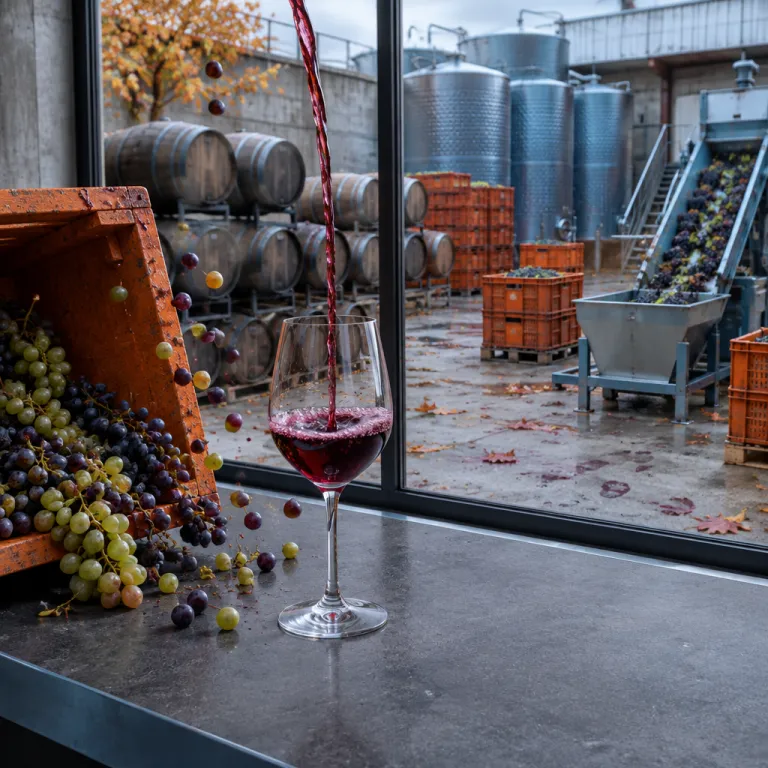
Belgrade wine harvest autumn: why this season matters for luxury travelers
Belgrade in early autumn feels tuned to the rhythm of the grape harvest. As vineyards across Serbia move into their busiest weeks, the capital’s serious wine bars and luxury hotels quietly align their lists, menus and events with the energy of the wine harvest season. For a traveler using Belgrade as a base, this is the moment when serbia wine culture becomes tangible, from cellar visits to curated wine tasting flights poured just a few minutes from your suite.
The belgrade wine harvest autumn period usually peaks around late september, when grape harvest teams in key wine growing regions press the last bunches and the air in the cellars smells of fermenting must. This is when you feel serbia autumn most clearly in the glass, as wineries release fresh whites and rosés while older serbian wines from previous harvests reach perfect drinking maturity. Luxury properties in belgrade respond with featured wine routes themed dinners, harvest festival style events and concierge curated day trips that let you taste Serbia’s vineyards without sacrificing comfort or time.
Think of the city as the control room for your wine tourism serbia experience, with the countryside as your playground. You read Serbia through its glasses of wine and plates of food, not only through monuments and museums, and the belgrade wine harvest autumn window is when those stories are most layered. For solo travelers especially, this is a season that rewards curiosity, because every bar stool and communal table becomes an invitation to taste Serbia and talk about grape varieties, wine industry gossip and the next festival on the calendar.
Serbian grape varieties, regions and routes within easy reach of Belgrade
To drink well in belgrade during the wine harvest, it helps to know where the bottles come from. Serbia’s modern wine industry is compact enough that several of its most important vineyards sit within a ninety minute drive of the capital, which makes cellar visits easy to fold into a luxury city stay. When you understand the geography of wine routes and grape varieties, every glass in town becomes a map of tourism Serbia rather than just another pour.
Northwest of belgrade, the gentle hills of Fruška Gora form one of the country’s most historic wine growing zones, with monasteries and family wineries sharing the same slopes. Here you will find vineyards planted with international grapes, but the real pleasure lies in tasting local serbian wines made from indigenous grape varieties such as Prokupac and Tamjanika alongside structured reds from Cabernet or Merlot. Many wineries around Fruška Gora and nearby Sremski Karlovci now welcome visitors for wine tasting sessions that pair wines with seasonal food, especially during the grape harvest when the landscape turns copper and gold.
Further north, the Novi Sad area extends the same chain of vineyards, giving you another cluster of cellars to visit on a belgrade Novi Sad day route. A private driver or hotel car makes these wine routes feel effortless, and high end properties in belgrade are increasingly used to arranging such excursions as part of a broader serbia autumn itinerary. If breakfast is your benchmark for quality, you will notice that hotels serious about wine often show the same care at the morning table, and guides such as the hotel morning table as a measure of quality are a useful filter when choosing where to stay.
City wine bars and hotel lounges: where to drink Serbian wines in Belgrade
Once you understand the regions, the next step in any belgrade wine harvest autumn trip is choosing the right bar stool. The city’s serious wine bars, from Dorćol to Vračar, now treat serbian wines with the same respect that Paris or London give to Burgundy, and that shift has transformed the urban wine tourism serbia experience. You are no longer limited to a token house red ; instead you can read Serbia through deep lists that feature both established wineries and experimental micro producers.
Look for places where the staff talk about grape varieties and vineyards with ease, and where the by the glass selection changes weekly during the wine harvest. These are the rooms where you will taste Serbia in flight form, comparing Prokupac from Fruška Gora with a richer version from southern Serbia, or sampling aromatic whites that show how far the local wine industry has come. Many luxury hotel lounges in belgrade now collaborate with nearby wine bars or sommeliers, curating featured serbian wines for in house guests who prefer to drink in a quieter setting after a day of food focused exploration.
Autumn in belgrade also belongs to coffee, and understanding the city’s café culture helps you pace your wine tasting days. A guide such as Belgrade’s coffee map from kafana ritual to the third wave counter shows how locals move between espresso, rakija and wine as naturally as changing streets. For a solo traveler, alternating between coffee bars and wine bars keeps the belgrade wine harvest autumn experience balanced, letting you enjoy late night events or a small festival without fatigue while still leaving space to read about new wineries and plan the next day’s routes.
From cellar door to suite door: planning harvest day trips from Belgrade
Using belgrade as a base for wine harvest excursions means you can step into the countryside by day and return to high thread count sheets by night. The key is to treat cellar visits as part of a broader luxury experience, not as rushed box ticking, and to work with concierges who understand both wine tourism serbia and the realities of local roads and opening hours. During september and the wider serbia autumn period, wineries are busy with grape harvest work, so planning ahead is essential.
Start by choosing one compact area such as Fruška Gora and Sremski Karlovci or the Novi Sad corridor, rather than trying to cover multiple wine routes in a single day. A good concierge or specialist driver will help you sequence two or three vineyards, leaving time for a slow lunch that showcases regional food and serbian wines by the glass. This is where a resource like the guide to what the best hotel concierges in Belgrade actually deliver becomes practical, because the right desk can secure tastings at featured wineries that are not always visible to casual visitors.
On the ground, expect cellar tours that walk you through fermentation rooms, barrel halls and sometimes the vineyards themselves, with explanations of grape varieties and wine growing techniques tailored to your level of knowledge. During the belgrade wine harvest autumn window, you may see sorting tables in action or taste fermenting must, which gives a vivid sense of how the wine industry works behind the label. For solo travelers, private or small group formats feel more comfortable and allow space to ask questions, read tasting notes in peace and adjust the pace if a particular wine or route captures your attention.
Pairing Serbian wines with the autumn table: from kafana to fine dining
Belgrade’s kitchens shift gear as soon as the first cool evenings of serbia autumn arrive. Menus in both traditional kafane and contemporary hotel restaurants lean into slow cooked meats, roasted vegetables and forest flavours, which makes the belgrade wine harvest autumn period ideal for exploring how serbian wines behave at the table. When you match local food with local wines, you taste Serbia in a way that no museum label can replicate.
Start with whites and rosés from vineyards in Fruška Gora or around Novi Sad, which often show bright acidity and stone fruit notes that work beautifully with river fish, grilled vegetables or lighter mezze. Then move to structured reds from Prokupac or blends that include international grape varieties, pairing them with slow braised beef, game or rich sarma that appears on many menus once the harvest festival season begins. In both casual and fine dining settings, ask for wine tasting flights that highlight different regions of serbia wine production, because this lets you compare how the same grape responds to different soils and microclimates.
Luxury hotel restaurants in belgrade increasingly treat their lists as a statement of wine culture, featuring both established wineries and smaller producers whose bottles rarely leave Serbia. Many will design seasonal menus specifically for the wine harvest, sometimes hosting events where winemakers talk through their wines between courses and explain how wine growing decisions in the vineyard shape what you are drinking. For a solo traveler, these dinners offer a structured way to meet locals and fellow guests, read Serbia through conversation and leave with a clearer sense of how the wine industry fits into the broader story of tourism Serbia and the country’s evolving identity.
Reading Serbia in the glass: culture, festivals and the solo traveler
Wine in serbia is not just a product ; it is a language, and the belgrade wine harvest autumn season is when that language is spoken most fluently. Across the country, harvest festival events celebrate the end of grape harvest work with music, street food and open cellars, and even if you stay in the capital you will feel their echo in bar conversations and hotel lobby chatter. Paying attention to these rhythms helps you read Serbia beyond the usual clichés and understand how wine culture intersects with everyday life.
In and around Sremski Karlovci and Novi Sad, for example, local festivals often feature parades, tastings and vineyard walks that attract both residents and visitors from belgrade Novi Sad routes. These gatherings are a chance to see how wine growing supports small communities, from seasonal workers to family run wineries that have survived political and economic shifts. Back in the city, bars and restaurants respond with their own featured events, from vertical tastings of older serbian wines to evenings focused on a single region or grape, which keeps the wine tourism serbia experience alive even if you never leave town.
For solo travelers, this is a particularly welcoming season because the shared language of wine makes it easy to start conversations at the bar or communal table. You can sit with a flight of wines, read about the producers, ask staff about their favourite vineyards and quietly build your own mental map of serbia wine regions. Over a few days, the belgrade wine harvest autumn window becomes less about ticking off wineries and more about understanding how wine industry stories, tourism Serbia strategies and local pride all pour into the same glass.
Choosing the right luxury base in Belgrade for an autumn wine stay
All of this only works if your belgrade base supports the rhythm of a wine focused trip. For a luxury or premium stay during the belgrade wine harvest autumn period, prioritize properties with strong concierge teams, thoughtful wine lists and flexible dining hours that respect late returns from day trips. A hotel that understands wine tourism serbia will anticipate early departures for Fruška Gora or Novi Sad and late night arrivals after city events or a harvest festival dinner.
Look closely at how a property talks about serbian wines and local food on its website and menus, because this often reveals whether wine culture is a marketing line or a genuine commitment. The best addresses treat their bars as living rooms for guests and locals, hosting occasional wine tasting evenings with featured wineries and using their purchasing power to support smaller vineyards that might otherwise struggle for visibility. When you see Prokupac, Tamjanika and other indigenous grape varieties listed alongside international names, you know the team is serious about helping guests taste Serbia rather than defaulting to generic imports.
Finally, consider practicalities that matter on a wine heavy itinerary, from late checkout policies to in room amenities that make it easy to store and enjoy bottles you bring back from the route. A good front desk will happily arrange transfers to Sremski Karlovci or other wine growing areas, provide up to date information on events and festivals and even suggest reading material if you want to read Serbia in more depth between tastings. In the right hotel, the belgrade wine harvest autumn season feels less like a themed trip and more like the natural way to experience serbia autumn, with every detail quietly aligned around the glass in your hand.
Key figures on Serbian wine, harvest and tourism
- Serbia has roughly 22 000 hectares of registered vineyards, according to the Ministry of Agriculture, which places the country among the mid sized European wine producers and underlines how compact and accessible its main wine routes are from Belgrade.
- Annual wine production in Serbia typically ranges between 1.5 and 2 million hectolitres, with the majority consumed domestically, a ratio that explains why many serbian wines are still best experienced in situ during the belgrade wine harvest autumn season.
- Tourism Serbia data indicate that wine tourism and gastronomy related trips have grown steadily over the past decade, with Vojvodina regions such as Fruška Gora and Sremski Karlovci among the most visited rural areas for day trips from Belgrade.
- Indigenous grape varieties such as Prokupac and Tamjanika account for a growing share of new plantings, reflecting a strategic shift in the Serbian wine industry toward distinctive local styles that appeal to international travelers seeking authentic serbia autumn experiences.
- Events and festivals linked to the grape harvest, including regional harvest festival celebrations around Novi Sad and other towns, now attract thousands of visitors each season and play a significant role in promoting wine culture and local food traditions.
FAQ about Serbian wine and Belgrade in autumn
Is autumn really the best time to visit Belgrade for wine?
Autumn is the most rewarding season for wine focused travel in belgrade because it coincides with the grape harvest and the release of many new wines. Vineyards around Fruška Gora, Novi Sad and Sremski Karlovci are active, landscapes are at their most colourful and city wine bars respond with deeper lists and themed events. For travelers interested in wine tourism serbia, this period offers the richest combination of cellar visits, food pairings and cultural festivals.
Can I visit Serbian wineries on a day trip from Belgrade?
Several key wine growing regions sit within easy day trip distance of belgrade, especially Fruška Gora and the areas around Novi Sad and Sremski Karlovci. With a private driver or organized tour, you can comfortably visit two or three wineries, enjoy a long lunch and return to the city by evening. Many luxury hotels now help guests plan these routes, coordinating tastings and transfers as part of a broader belgrade wine harvest autumn itinerary.
Which Serbian grape varieties should I look for on wine lists?
When reading wine lists in belgrade, focus on indigenous grape varieties such as Prokupac for reds and Tamjanika for aromatic whites, alongside international grapes grown in local vineyards. These varieties express the character of serbia wine regions more clearly than generic imports and are increasingly featured in both bars and hotel restaurants. Asking staff to explain the differences between regions and styles is an easy way to deepen your understanding of Serbian wine culture.
Do Belgrade hotels offer good selections of Serbian wines?
Many of the city’s higher end properties now curate serious selections of serbian wines, often in collaboration with local sommeliers or nearby wine bars. Look for hotels that highlight local wineries on their lists, organize occasional wine tasting events and show a clear connection to wine tourism serbia in their concierge services. These details signal a genuine commitment to helping guests taste Serbia during the belgrade wine harvest autumn season.
How should solo travelers approach wine tasting in Belgrade?
Solo travelers are well served in belgrade’s wine bars, where counter seating and by the glass options make it easy to explore without committing to full bottles. Joining small group tastings, harvest festival events or hotel hosted dinners provides structure and social contact while keeping the focus on wine and food. Planning a mix of city tastings and one or two guided day trips to nearby vineyards creates a balanced, low stress belgrade wine harvest autumn experience.