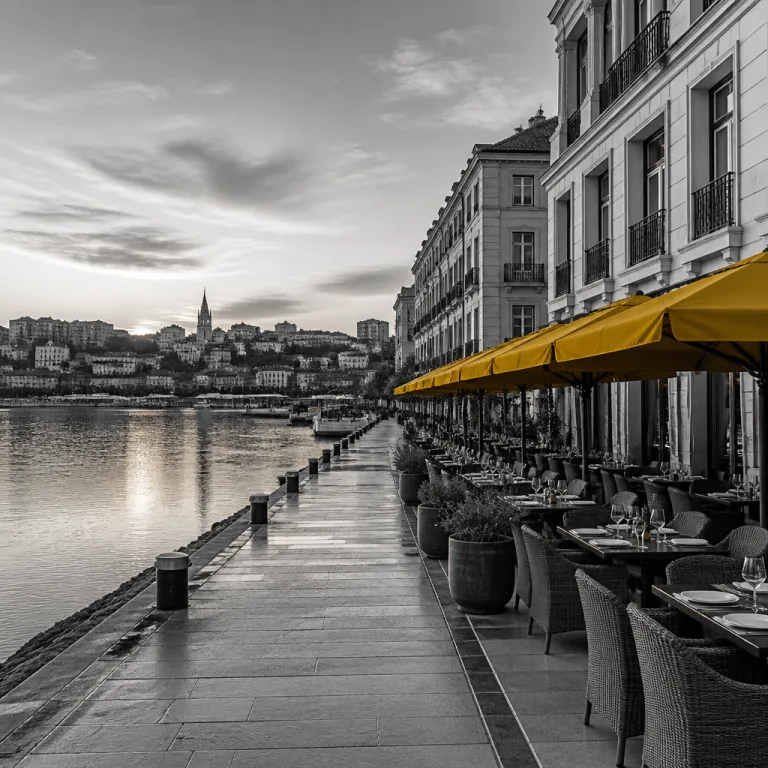
Shaping a refined pipeline to Belgrade’s luxury hotel scene
Belgrade’s premium hotels now operate through a refined, integrated guest pipeline that quietly anticipates expectations at every stage of a stay. This evolving integrated guest pipeline in the city’s luxury segment connects booking technology, concierge teams, spa staff, and culinary partners into one seamless flow. In practice, this coordinated system turns a simple room reservation into a curated stay, where every gastronomic detail is mapped before you even land.
At the top properties along Knez Mihailova, in New Belgrade, and around Dorćol, this orchestrated service pipeline begins the moment you start browsing suites online. Dynamic booking engines capture preferences such as late check in, pillow type, or interest in Serbian wine, then pass them to guest relations and executive chefs. Because this information moves through a single digital workflow rather than scattered emails, kitchens can plan tasting menus, wine pairings, and dietary adaptations with almost surgical precision.
For travelers comparing five star options, the most advanced guest journey systems are visible in how consistently staff remember your tastes. One stay might include a prearranged table at a riverside restaurant, another a private rakija tasting in the lobby bar, yet both feel equally effortless. When a hotel’s internal pipeline is mature, gastronomic experiences stop feeling like add ons and start functioning as the central narrative of your stay.
How Belgrade hotels curate off site fine dining through a single pipeline
Many of Belgrade’s most acclaimed restaurants sit outside hotel walls, which creates both a challenge and an opportunity for luxury properties. The most effective integrated guest pipeline solutions treat the city’s independent dining scene as an extended hotel restaurant portfolio. Through structured partnerships and real time communication, concierges can secure prime tables at places like Homa, Langouste, or Salon 1905, then integrate them into your nightly schedule as if they were in house venues.
In this model, the hotel’s reservation system, concierge desk, and partner restaurants share a unified pipeline of guest data. Your preferred dinner time, allergy notes, and wine budget travel from the booking engine to the maître d’ without repeated explanations. This approach directly addresses what many travelers sense as the hotel restaurant paradox in Belgrade, where the finest tables often live beyond the lobby yet remain fully accessible through a well managed pipeline.
A concrete example is the way a five star property near Kalemegdan might coordinate with a tasting menu restaurant in Dorćol. When you book a suite and indicate an interest in contemporary Serbian cuisine, the concierge uses the integrated guest pipeline to pre select a restaurant, share your dietary profile, and align the reservation with your arrival time. Over several evenings, this can mean a progression from modern Serbian tasting menus to riverside seafood and finally to a late night kafana, all reserved and confirmed before you even unpack.
Breakfast as the first checkpoint of Belgrade’s luxury pipeline
In Belgrade’s premium hotels, breakfast has become the first serious test of any refined service pipeline. Guests now expect more than a standard buffet; they look for a morning table that reflects local produce, thoughtful coffee service, and flexible à la carte options. When a property operates under a coherent integrated guest pipeline, these expectations are translated into concrete breakfast rituals that feel both polished and personal.
Pre arrival questionnaires and app based check in tools feed preferences directly to the kitchen, from lactose free dairy to interest in Balkan charcuterie. This information shapes the mise en place before sunrise, so that the first cappuccino, poached egg, or plate of kajmak appears with minimal delay. Industry observers often treat the hotel breakfast in Belgrade as a measure of quality, and the most advanced integrated guest pipeline frameworks consistently score highest on this metric.
For travelers, this means that a riverside luxury hotel in New Belgrade can match the breakfast finesse of a heritage property near Kalemegdan, despite different layouts and kitchen sizes. The shared factor is a disciplined pipeline that links guest data, procurement, and service choreography. When this pipeline functions smoothly, breakfast becomes less of a routine and more of a daily gastronomic prologue to your city explorations.
From booking engine to chef’s table: how data shapes gastronomic journeys
Behind every memorable tasting menu or wine pairing in a Belgrade luxury hotel lies a chain of decisions powered by structured data. The integrated guest pipeline connects your booking profile to the culinary team, allowing chefs to design menus that respect both your preferences and the seasonality of Serbian ingredients. Instead of generic “international” dishes, you receive plates that reflect the terroir of Šumadija wines, Pirot cheeses, and Vojvodina vegetables.
When you reserve a suite with a note about celebrating an anniversary, that information should not remain trapped in the reservation field. In a mature pipeline, it triggers a sequence involving pastry chefs, sommeliers, and guest relations, who coordinate a private dessert course or in room champagne tasting. This is where the integrated guest pipeline moves from abstract concept to concrete experience, turning a simple stay into a gastronomic journey with a clear narrative arc.
Travelers who value food centric itineraries can use this knowledge when choosing where to stay. Properties that highlight chef collaborations, seasonal menus, and curated wine lists usually rely on a more sophisticated internal pipeline. Over several nights, you might progress from a chef’s table in the hotel restaurant to a guided market visit and finally to a countryside winery day trip, all orchestrated through the same invisible yet reliable integrated guest pipeline.
Wellness, thermal escapes, and the role of culinary pipelines
Gastronomic journeys in Belgrade’s luxury hotels increasingly intersect with wellness and slow travel. Guests booking spa suites or thermal day trips expect menus that support recovery, balance, and light indulgence rather than heavy, generic fare. A well designed integrated guest pipeline allows nutrition preferences, spa schedules, and excursion timings to flow between departments without friction.
When a concierge arranges a visit to nearby thermal springs, the kitchen can align meal times and menu composition with your bathing schedule. This coordination is especially relevant for wellness travelers who plan their day around hydrotherapy, massages, and quiet time. Resources such as curated guides to thermal springs near Belgrade become more valuable when integrated into a hotel’s internal pipeline, ensuring transfers, snacks, and post spa dinners are synchronized.
For you as a guest, the impact is subtle but significant over a multi night stay. Breakfast might feature lighter options on spa days, while dinner leans toward grilled river fish, seasonal salads, and herbal infusions. When the integrated guest pipeline links spa therapists, chefs, and concierges, wellness ceases to be a separate add on and becomes an integral part of your gastronomic journey through the city.
Choosing the right Belgrade hotel for a pipeline driven culinary stay
Selecting a luxury or premium hotel in Belgrade is easier when you know what to look for behind the scenes. Instead of focusing only on room photos, pay attention to how properties describe their culinary partnerships, breakfast philosophy, and concierge capabilities. Hotels that openly reference integrated guest journeys usually operate a more advanced integrated guest pipeline, which translates into smoother, more tailored gastronomic experiences.
During pre booking communication, ask specific questions about dietary accommodations, access to top city restaurants, and the possibility of curated tastings. Clear, confident answers often signal that the reservation team, kitchen, and concierge share information through a unified pipeline rather than working in isolation. Over the course of your stay, this can mean the difference between ad hoc restaurant suggestions and a coherent sequence of meals that reflect Belgrade’s evolving food culture and your personal tastes.
For travelers planning special occasions or extended stays, it is worth comparing how different properties structure their offers. Some hotels emphasize in house fine dining, while others lean on strong relationships with independent chefs and restaurateurs. In both cases, the strength of the integrated guest pipeline determines how effectively these elements are woven into a single, satisfying gastronomic journey from check in to departure.
Key figures shaping Belgrade’s luxury hotel and gastronomy landscape
- According to the Statistical Office of the Republic of Serbia, Belgrade recorded around 3.1 million overnight stays in 2023, with more than 40 percent in four and five star properties, indicating sustained demand for premium hotel experiences.[1]
- Industry reports from the Serbian Chamber of Commerce note that food and beverage revenue can represent between 30 and 35 percent of total income in upscale hotels, underlining the strategic importance of gastronomic journeys in the city’s luxury segment.[2]
- Data from the National Tourism Organisation of Serbia shows that roughly one third of international visitors cite local cuisine and wine as a primary or secondary motivation for travel, reinforcing the value of integrated culinary pipelines in hotel offerings.[3]
- Market analyses of Central and Eastern European capitals place Belgrade among the more competitively priced luxury destinations, with average daily rates in top tier hotels often 20 to 30 percent lower than in Vienna or Budapest, allowing properties to invest in refined gastronomic experiences while maintaining attractive room prices for travelers.[4]
FAQ about luxury hotel bookings and gastronomic journeys in Belgrade
Which areas of Belgrade are best for luxury hotel stays focused on food ?
For food oriented travelers, the most strategic areas are the city center around Knez Mihailova, the Dorćol district, and parts of New Belgrade near the river. These locations offer quick access to both high end restaurants and traditional kafanas. Staying in these zones also makes it easier for hotels to coordinate off site dining through their internal service pipelines.
How far in advance should I book restaurants through my hotel in Belgrade ?
For popular fine dining venues and weekend evenings, aim to secure reservations at least one to two weeks before arrival. If your hotel operates a strong concierge pipeline, they can sometimes obtain last minute tables, but advance notice gives them more leverage. Communicating your preferences during booking allows the team to align restaurant choices with your overall itinerary.
Can Belgrade luxury hotels handle complex dietary requirements ?
Many premium properties in Belgrade are increasingly adept at managing vegetarian, vegan, gluten free, and allergy sensitive menus. The key is to share detailed information during the reservation process so it can flow through the hotel’s internal pipeline to chefs and service staff. When this communication is clear, you can expect tailored menus rather than improvised substitutions.
Are gastronomic packages offered by Belgrade hotels worth the price ?
Gastronomic packages can offer good value if they combine accommodation with curated meals, tastings, or market visits that would be complex to arrange independently. These packages usually leverage the hotel’s existing pipeline of restaurant partnerships and supplier relationships. For travelers with limited time, they provide a structured way to experience the city’s culinary highlights.
How does seasonality affect gastronomic journeys in Belgrade hotels ?
Seasonality plays a major role in shaping menus, wine selections, and even day trip options from Belgrade. Spring and autumn often bring the most diverse local produce, while summer favors riverside dining and lighter dishes. Hotels with a responsive service pipeline adjust their gastronomic offerings to reflect these seasonal shifts, ensuring fresher ingredients and more authentic experiences.